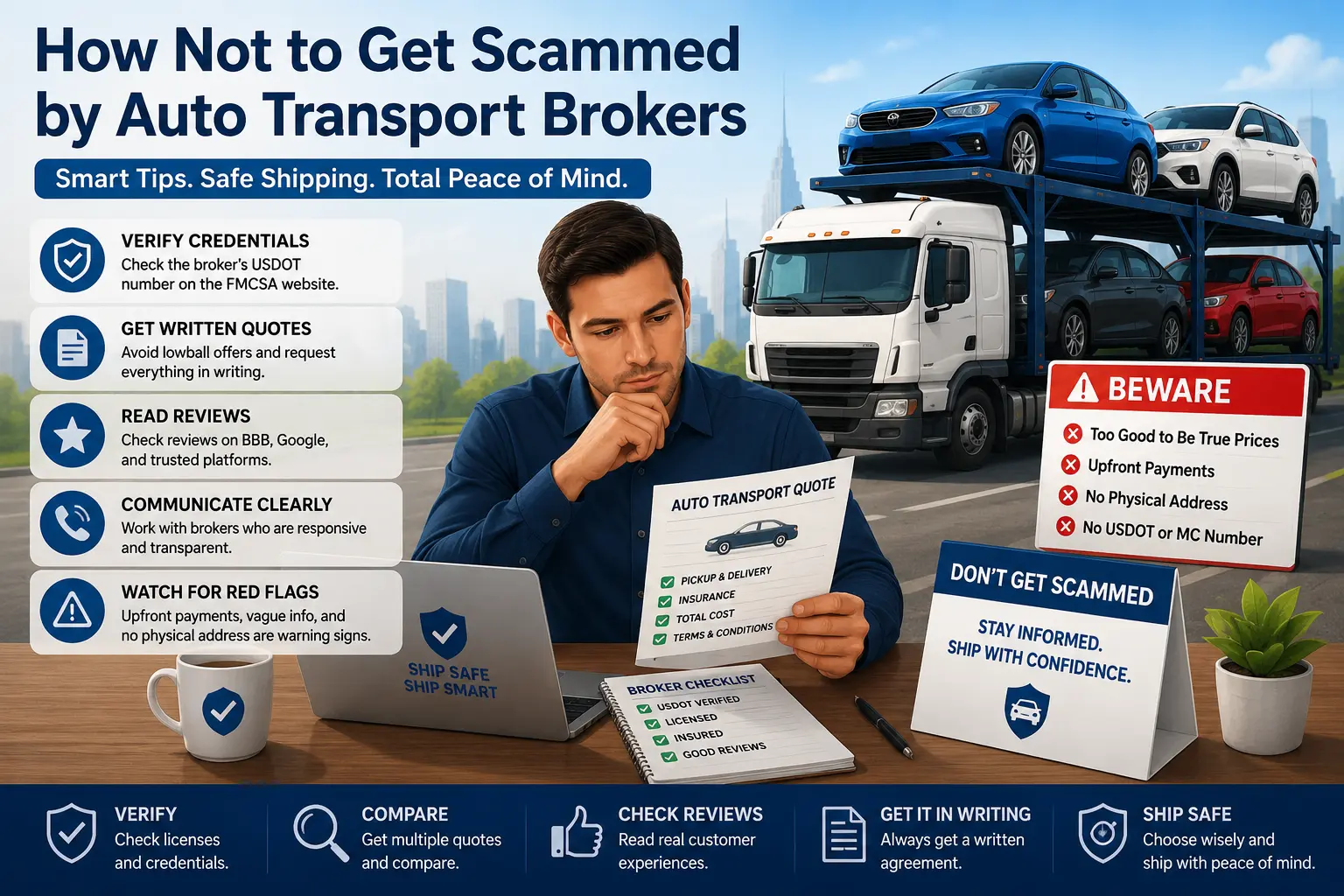
When it comes to transporting your vehicle, finding a trustworthy auto transport broker is crucial to avoid scams. With many brokers in the market, knowing how to identify reputable services can save you time, money, and stress. This article will provide insights and strategies to help you navigate the auto transport landscape safely and how to avoid Auto Transport Broker Scams.
Understanding the Role of Auto Transport Brokers
Auto transport brokers serve as intermediaries in the vehicle shipping process, connecting customers with carriers who actually transport vehicles. While carriers are the entities that physically move the vehicles, brokers play a crucial role in facilitating the transport process by coordinating logistics, negotiating rates, and managing communication between the customer and the carrier.
One of the primary responsibilities of an auto transport broker is to assess the needs of their clients. This may involve evaluating the type of vehicle being shipped, the pick-up and delivery locations, and any special requirements such as enclosed transport. Based on this information, brokers can provide clients with options that best suit their needs, including cost estimates and timelines.
Brokers are vital in ensuring that customers select the right transport services. They have access to a wide network of licensed and reliable carriers, which allows them to match customers with the most suitable options. Additionally, they handle the paperwork involved in shipping a vehicle and help ensure that all necessary regulations and standards are met, enhancing the overall customer experience.
Another critical function of brokers is maintaining communication throughout the transport process. They update customers on the transport’s status, manage any changes in schedule, and serve as the point of contact in case of issues that may arise during transit. By providing this level of service, brokers not only simplify the vehicle shipping process but also foster trust between the customer and carrier. Knowing the essential role of brokers can help users make informed decisions and mitigate the risk of falling victim to scams during auto transport.
Recognizing Legitimate Brokers from Scammers
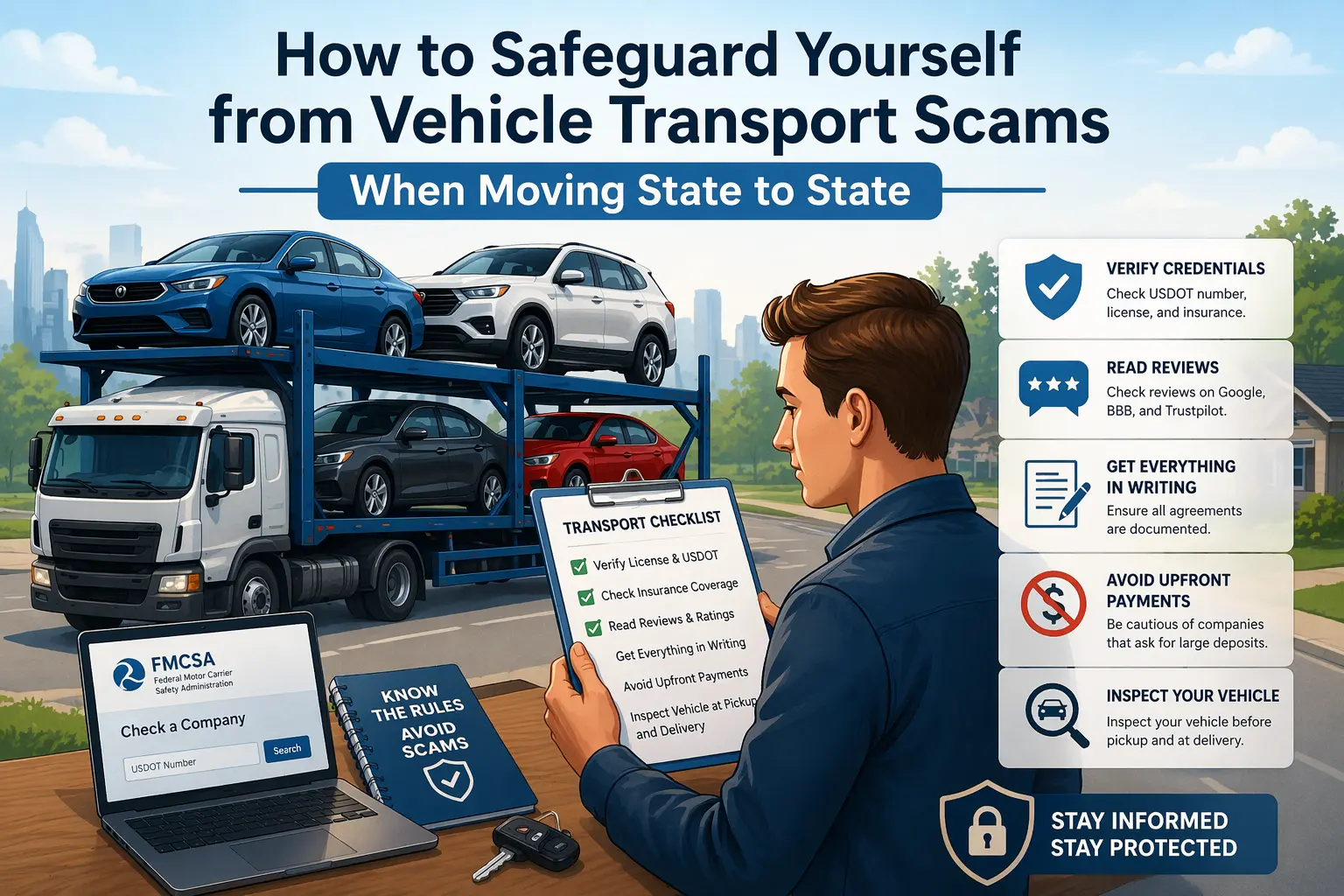
To recognize legitimate auto transport brokers from scammers, it’s essential to familiarize yourself with key characteristics that distinguish credible professionals. A legitimate broker must hold a valid license issued by the Federal Motor Carrier Safety Administration (FMCSA). This license ensures that the broker adheres to federal regulations and standards, promoting safe and reliable service. Additionally, reputable brokers should also be bonded, meaning they have obtained a surety bond that protects consumers against potential financial losses in case of failure to fulfill contractual obligations.
To verify a broker’s credentials, visit the FMCSA’s website, where you can search for the broker’s DOT number. This will allow you to check their licensing status, safety record, and any consumer complaints filed against them. Make sure to look for brokers who are listed in the Better Business Bureau (BBB) with positive ratings as well. Trustworthy brokers often have testimonials and reviews from previous clients that can provide insight into their service quality.
Be vigilant about common scams employed by fraudulent brokers. One common tactic is making unusually low quotes to entice customers, only to increase the price with hidden fees later. Additionally, be wary of brokers who demand substantial upfront payments before securing your transport. Legitimate brokers typically collect only a nominal deposit after successfully booking transport. Warning signs include unwillingness to provide proof of licensing, lack of a professional website, or overly aggressive high-pressure sales tactics. Always trust your instincts; if something feels off, it’s better to walk away.
Researching and Comparing Auto Transport Services
To avoid falling victim to scams when choosing an auto transport broker, thorough research and comparison of services are essential. Start by obtaining quotes from multiple brokers. This not only gives you an idea of the market rates but also helps you spot any unusually low prices that might indicate a scam. When gathering quotes, ensure they are detailed and include all potential fees to avoid unexpected costs later.
Reading customer reviews is another crucial step in your research. Online platforms such as Yelp, Google Reviews, and dedicated auto transport forums provide insights into the experiences of previous customers. Pay attention to both positive and negative reviews. Look for patterns in feedback, focusing on issues like communication, delivery times, and damage claims. Trustworthy companies often have a substantial number of favorable reviews, whereas brokers with dubious practices may exhibit numerous complaints.
Be proactive by asking engaging questions about their processes. Inquire about timelines, vehicle handling procedures, and the qualifications of the transport drivers. A reliable broker should readily provide this information, showcasing transparency in their operations.
Utilize online resources strategically to deepen your understanding of broker reliability. Websites like the Better Business Bureau (BBB) can reveal any pending disputes or complaints against the broker. Additionally, the FMCSA’s website can be accessed to confirm the broker’s licensing and bonding status, ensuring they meet the legal requirements for operation.
In summary, diligent research and thoughtful comparison are pivotal in safeguarding your auto transport experience. By leveraging online resources, reading reviews, and asking the right questions, you can significantly reduce the risk of encountering scams in the auto transport industry.
Verifying Insurance and Safety Standards
When engaging an auto transport broker, verifying their insurance and safety standards is an essential safeguard against potential scams. An ethical broker should provide proof of insurance upon request. This should be the first step in your due diligence. Ask for a copy of their insurance certificate, which should detail the type, amount, and validity of coverage. Look for the following essential components in their insurance policy:
– **General Liability Insurance:** This should cover property damage and bodily injury, safeguarding you against potential claims.
– **Cargo Insurance:** Essential for vehicle transport, this covers the full value of your vehicle in the event of loss or damage during transport.
– **Workers’ Compensation:** This protects you if a worker is injured while handling your vehicle.
Understanding the various facets of liability and damage policies is crucial. Brokers may present a standard liability policy with limited coverage, often a mere fraction of your vehicle’s worth. Therefore, ensure that you have clarity on what their liability implies. For instance, if your vehicle gets damaged, does the broker cover repair costs fully, or are you only compensated for a portion?
Inquire about their procedures if damage occurs. A reputable broker should have a clearly defined claims process that outlines how you can report any issues and what documentation you’ll need. Always be wary of any broker who avoids questions regarding their safety standards or who cannot provide tangible proof of their insurance policies. By prioritizing verification of insurance and safety standards, you’re taking proactive steps to ensure the integrity of your auto transport experience, ultimately safeguarding your investment as you transition to the next stages of finalizing your agreement.
Finalizing the Agreement and Staying Informed
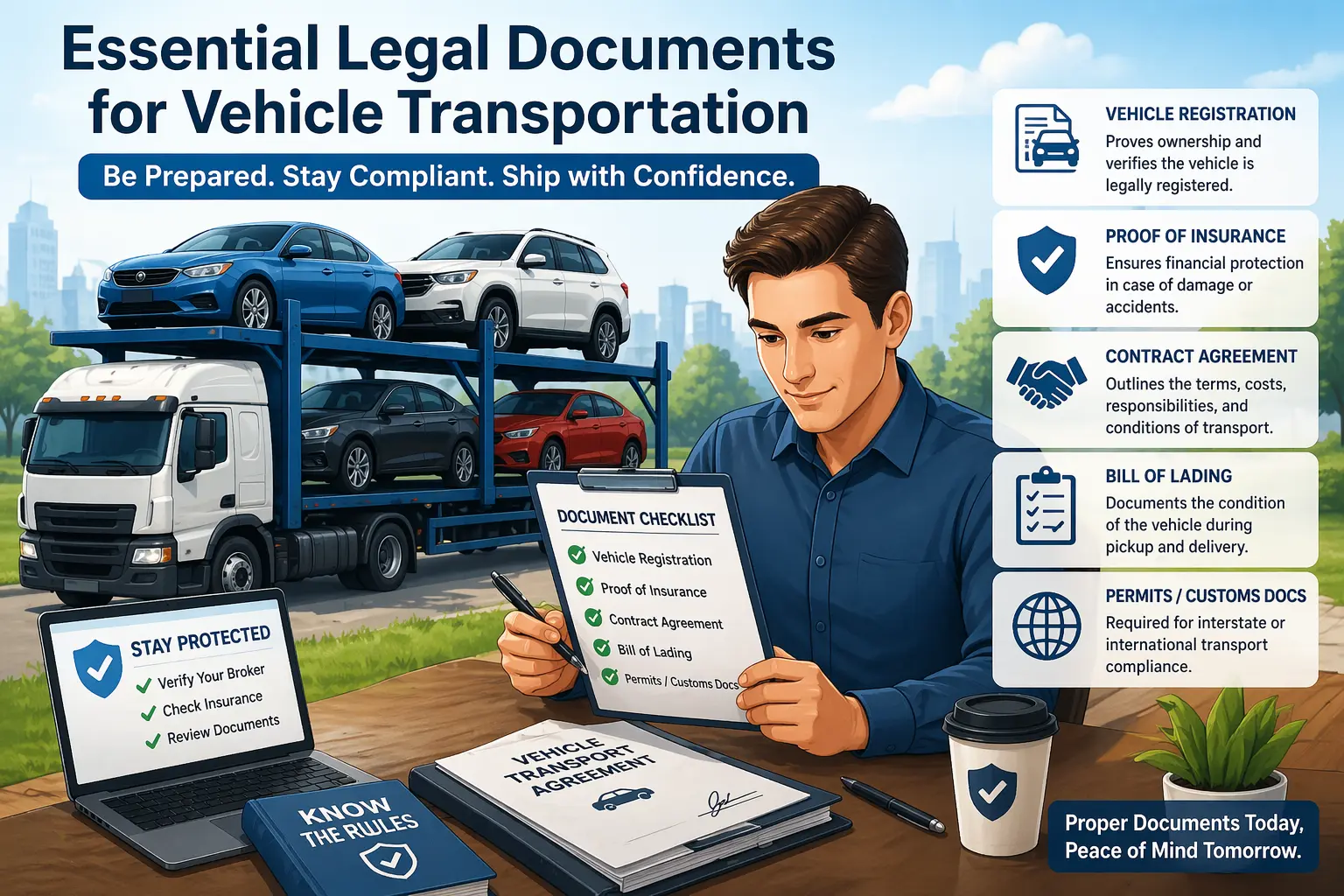
Once you have verified insurance and safety standards, the next critical phase is finalizing your agreement with the auto transport broker. This step cannot be taken lightly, as the right contract and ongoing communication can make or break your shipment experience. Start by reading through the contract meticulously. Look for hidden fees, cancellation policies, and payment terms that might not be immediately apparent. If you encounter any terms that are vague, do not hesitate to ask for clarification. A reputable broker will welcome your inquiries and be willing to explain the details explicitly.
In addition to scrutinizing the contract, it’s imperative to stay informed throughout the shipping process. Maintain active communication with your broker. Establish a timeline for updates and expect regular check-ins. This can help alleviate anxiety and give you peace of mind as you await the arrival of your vehicle. If your broker seems elusive or reluctant to provide updates, consider this a red flag.
Equally important is the necessity to document every detail of your agreement in writing. This includes your discussions about shipping dates, costs, and any special handling instructions for your vehicle. Utilize email and written confirmations to keep a paper trail. Should any issues arise, having documentation can protect you and serve as evidence if disputes occur.
Finally, keeping tabs on the status of your vehicle during transport is vital. Inquire if the broker provides a way to track the shipment or receive real-time updates. This proactive approach empowers you and allows you to address concerns promptly should they arise, further safeguarding your auto transport experience from potential pitfalls.
Conclusions
In conclusion, safeguarding yourself against auto transport broker scams requires diligence and awareness. By researching brokers thoroughly, checking credentials, and being cautious of red flags, you can ensure a smooth vehicle transport experience. Remember, staying informed is your best defense against potential scams.