Car transportation prices in the USA have risen significantly in recent months, creating concern among consumers, dealerships, and vehicle transport companies. This article delves into the complex factors driving these price hikes, from supply chain disruptions to increased fuel costs, offering a comprehensive understanding of the current market landscape.
Overview of Recent Price Trends
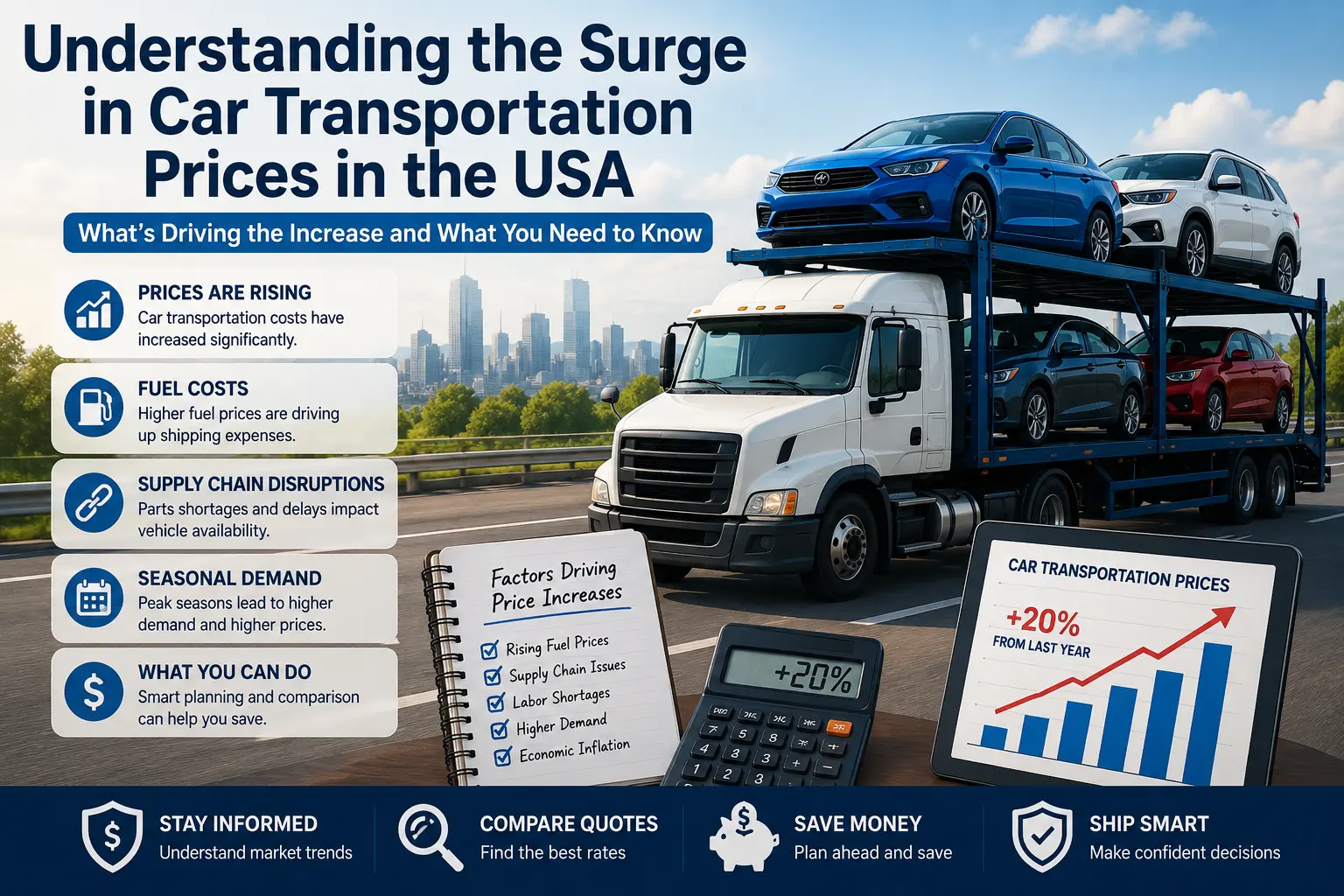
In the past two months, car transportation prices in the USA have witnessed a significant uptick, with an average increase of nearly **15%** compared to early fall. For perspective, the typical cost of shipping a vehicle across the country was hovering around **$800** in July 2023, but it has now surged to approximately **$920**. A year-over-year comparison reveals an even starker contrast; prices have escalated by around **20%** from the same period last year, primarily attributed to a combination of fluctuating demand and operating costs.
These price increases reflect broader economic conditions that have been tumultuous. The Consumer Price Index for all urban consumers rose **6.5%** in the past year, contributing to higher operational costs for transportation companies. Fuel prices, a significant portion of the expense incurred in car shipping, have markedly increased due to geopolitical tensions and supply constraints, with gas prices in some regions climbing over **$4** per gallon.
Furthermore, seasonal factors typically contribute to fluctuations in transportation costs, particularly towards the end of the year when many consumers are purchasing vehicles. Current trends exhibit a perfect storm of rising demand and expenses exacerbated by inflationary pressures, all of which are equally felt across various sectors of the economy. These persistent increases underscore the complexities surrounding auto transport, which are closely tied to broader inflationary trends and economic uncertainties that continue to shape consumer behavior and corporate logistics strategies.
Impact of Supply Chain Disruptions
The recent surge in car transportation prices within the last two months can be largely attributed to ongoing supply chain disruptions that have significantly affected the logistics of shipping vehicles. A confluence of factors has contributed to these challenges, notably shortages in critical components, factory closures, and delays in shipping.
Automakers have faced difficulties in sourcing essential parts due to global supply chain bottlenecks. For instance, semiconductor shortages have continued to plague the automotive industry, hindering production capabilities. These critical components are fundamental for modern vehicles, and without them, manufacturers have been forced to slow down or temporarily halt assembly lines, leading to a diminished supply of cars.
Further complicating matters, factory closures stemming from pandemic-related issues and other socioeconomic factors have exacerbated production delays. As manufacturers navigate labor shortages and updated safety regulations, the pace of production has not kept up with market demand. Consequently, fewer vehicles are available for transportation, which creates a ripple effect on shipping costs.
Additionally, logistical challenges in transportation networks have emerged. Port congestion and freight shortages have delayed the movement of vehicles once they are manufactured. Increased shipping times translate into higher operational costs, which are inevitably passed on to consumers.
In conclusion, the interplay of component shortages, factory disruptions, and shipping delays has directly impacted transportation costs, shaping the current landscape of car transportation prices in the USA and reflecting broader economic stressors.
Fuel Prices and Transportation Costs
The recent surge in car transportation prices cannot be adequately understood without examining the relationship between fuel prices and transportation costs. In the past two months, fuel prices have escalated significantly due to a variety of factors. Geopolitical tensions, particularly in oil-rich regions, have led to supply constraints that directly push up the costs of crude oil. Additionally, seasonal demands such as increased travel during summer months and refinery maintenance are traditional contributors to fuel price hikes. These factors combined create a ripple effect across the logistics industry.
As fuel prices rise, so do the operational costs for transportation companies. Fuel constitutes a substantial percentage of total shipping costs, often ranging from 20% to 30%. Consequently, when the price of fuel increases, carriers must adjust their pricing structures to maintain profitability. This is especially pertinent for car transportation, where distances covered can be vast, and the fuel consumption for heavy-haul vehicles is significant.
Furthermore, the logistics industry’s fuel surcharge mechanisms mean that any elevation in fuel costs is immediately reflected in the pricing structure available to consumers. This recent spike has led companies to raise their shipping rates, exacerbating the existing transportation cost issues stemming from previous supply chain disruptions. As businesses recalibrate their budgets and pricing for freight services, the overall cost becomes elevated, directly impacting consumers looking to transport vehicles. The interdependence of fuel pricing and transportation costs means that fluctuations in fuel costs can severely influence the economic landscape of car shipping, necessitating attention from both businesses and consumers.
Demand Fluctuations in the Car Market
The last two months have witnessed a notable surge in car transportation prices, driven by significant demand fluctuations in the automotive market. As consumer behavior has evolved, so too has the interplay between new and used car sales, directly impacting the logistics of car shipping. Reports show that the demand for vehicles has rebounded sharply, fueled by consumers seeking to capitalize on the post-pandemic economic recovery. This has led to increased competition among buyers, particularly for both new and used cars, which pushes prices higher and subsequently raises transportation costs.
In recent weeks, car dealerships have found themselves grappling with limited inventory, especially for new vehicles, due in part to ongoing supply chain disruptions. Consequently, as new car availability dwindles, many consumers have turned to the used car market, spiking demand for pre-owned vehicles. This unprecedented demand created a bottleneck in transportation needs, as logistics providers struggle to keep pace with the rapid movement of cars across the country.
Moreover, consumer trends indicate a growing preference for certain vehicle categories, such as SUVs and electric vehicles, which further complicates transportation logistics. With specific models in higher demand, trucking routes have become congested, thereby increasing the costs associated with transporting these vehicles. The collective effect of these demand fluctuations is a significant upward pressure on car transportation prices, as the market adjusts to accommodate shifting consumer preferences and limited availability.
Role of New Regulations and Policies
In recent months, car transportation prices in the USA have been significantly influenced by new regulations and policies. The introduction of stricter environmental regulations, particularly those aimed at reducing greenhouse gas emissions from vehicles, has led to increased compliance costs for transportation companies. These regulations often necessitate upgrades to fleet vehicles or investments in cleaner technologies, which in turn elevate operational costs. As carriers shoulder these financial burdens, many pass them down to consumers in the form of higher shipping rates.
Moreover, the implementation of new trade policies has also contributed to rising transportation costs. Tariffs on imported automotive parts and materials have their ripple effects, inflating the overall costs associated with car transportation. Carriers that rely on international supply chains face increased expenses, prompting them to adjust their pricing strategies to maintain margins.
Additionally, government interventions aimed at boosting infrastructure can temporarily escalate costs. While investments in roads and bridges are necessary for improving the efficiency of transportation networks, such initiatives can also lead to increased taxes or fees, which may be transferred to car shipping expenses.
Finally, recent labor policies promoting enhanced worker rights and wages are adding to the overall transportation costs. As drivers and workers within the supply chain seek better compensation and conditions, these factors contribute to the upward pressure on car transportation pricing. Collectively, these new regulations and policies illustrate how government and regulatory frameworks significantly influence market dynamics, underscoring the complexity behind the surge in shipping costs.
Future Outlook for Car Transportation Costs
The outlook for car transportation costs in the coming months remains uncertain, influenced by various factors that could either stabilize or exacerbate the current price surge. Recent data suggests that lingering supply chain disruptions, initially caused by the pandemic, are still playing a crucial role. Should these issues persist, whether due to labor shortages or port congestion, shipping costs may continue to escalate as demand outstrips available capacity.
Furthermore, inflationary pressures have become a significant concern. As the cost of fuel rises, so too do the expenses associated with transportation logistics. Fuel prices, impacted by geopolitical tensions and regulatory changes, are closely monitored by industry stakeholders. Any spikes could lead to further increases in car transportation prices, especially if alternative energy sources remain underdeveloped or unpopular.
Consumer behavior also plays an essential role in shaping future costs. A potential shift towards electric vehicles could see demand for traditional transport services fluctuate, impacting pricing structures. Economic forecasts indicate that if the current consumer trend towards sustainability continues, regulations might tighten further—possibly increasing compliance costs for transportation companies.
Additionally, labor costs may surge as companies compete for skilled drivers amid a tight labor market. Should wages rise significantly, these costs are likely to be passed on to consumers, thereby sustaining high transportation prices. Industry sentiments indicate cautious optimism, yet many remain apprehensive about the balance between recovery and increased expenses, making the future trajectory of car transportation prices anything but predictable.
Conclusions
In summary, the rise in car transportation prices in the USA over the past two months can be attributed to a combination of supply chain challenges, rising fuel expenses, and fluctuating demand. Understanding these factors is crucial for consumers and businesses alike, as they navigate this evolving market and prepare for future trends.