
Finding the cheapest car shipping quote in the USA can be challenging, especially when moving a vehicle state to state. Understanding how pricing works helps you save money and avoid hidden fees.
Understanding Car Shipping Options
When considering interstate vehicle transport, understanding the available car shipping options is crucial for securing the most affordable quote. There are primarily two methods of transport: open and enclosed.
Open transport is the most common and economical choice. Vehicles are loaded onto open carriers, which can transport multiple cars at once. This option not only lowers the cost but also allows for flexibility in scheduling and pickup. However, open transport exposes vehicles to weather elements and road debris, potentially causing minor damage. On the other hand, enclosed transport offers a higher level of protection, as vehicles are shielded from external factors. This option is ideal for luxury, classic, or high-value vehicles but comes at a significantly higher price point.
Additionally, it’s essential to differentiate between local and national shipping companies. Local companies may provide more personalized service and flexibility, but their availability might be limited, especially for long-distance moves. National companies often have a broader network, potentially offering lower rates and more scheduling options. However, the service can sometimes feel impersonal, and issues may arise with communication due to the larger scale of operations.
When discussing cost, safety, and convenience, both open and enclosed transport options have distinct advantages and disadvantages. Considering your vehicle’s value, your budget, and your timeline will help you pinpoint which shipping method aligns best with your needs. By thoroughly weighing these choices, you’re better positioned to select the most cost-effective and suitable car shipping solution for your interstate transport.
Factors That Affect the Cheapest Car Shipping Quote
When seeking to move a car state to state, several pivotal factors come into play that significantly influence the shipping costs. Understanding these aspects can empower you to make informed decisions and potentially lower your expenses.
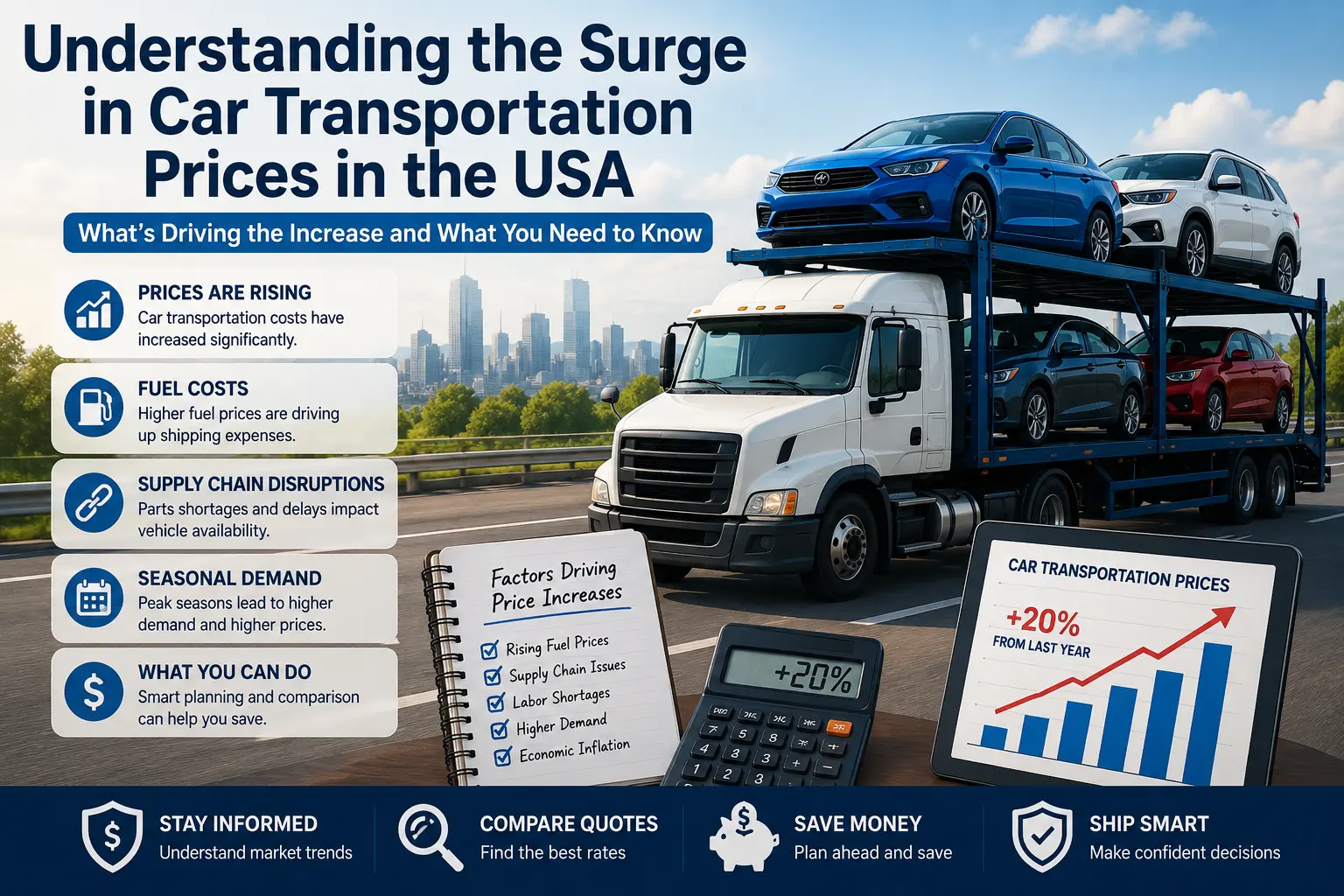
First and foremost, **distance** is a primary determinant. Shipping a vehicle over longer distances typically incurs higher fees due to fuel costs, driver wages, and varying state regulations. Consequently, if you are flexible with your timelines, opting for routes that may be less direct can sometimes yield savings.
The **vehicle type** is another essential factor. Larger vehicles, such as SUVs and trucks, usually cost more to transport due to their weight and size constraints. Additionally, luxury and classic cars might necessitate specialized handling or enclosed transport, increasing costs. Always consider how the specific characteristics of your vehicle might impact the final quote.
**Seasonality** also plays a crucial role. Demand can surge during peak moving seasons, particularly in late spring and summer when many people relocate. During these times, quotes may spike due to increased demand for car shipping services. Conversely, off-peak seasons, such as autumn or winter, may present opportunities for better deals.
Lastly, consider any **additional services** you might require, like door-to-door service, which offers convenience but often comes at a higher price. Expedited shipping services can also elevate quotes, so assess whether these are vital to your situation.
By grasping these factors, you can better anticipate costs and negotiate more effectively with carriers, ensuring you receive the most competitive quotes tailored to your specific needs.
How to Gather and Compare Quotes
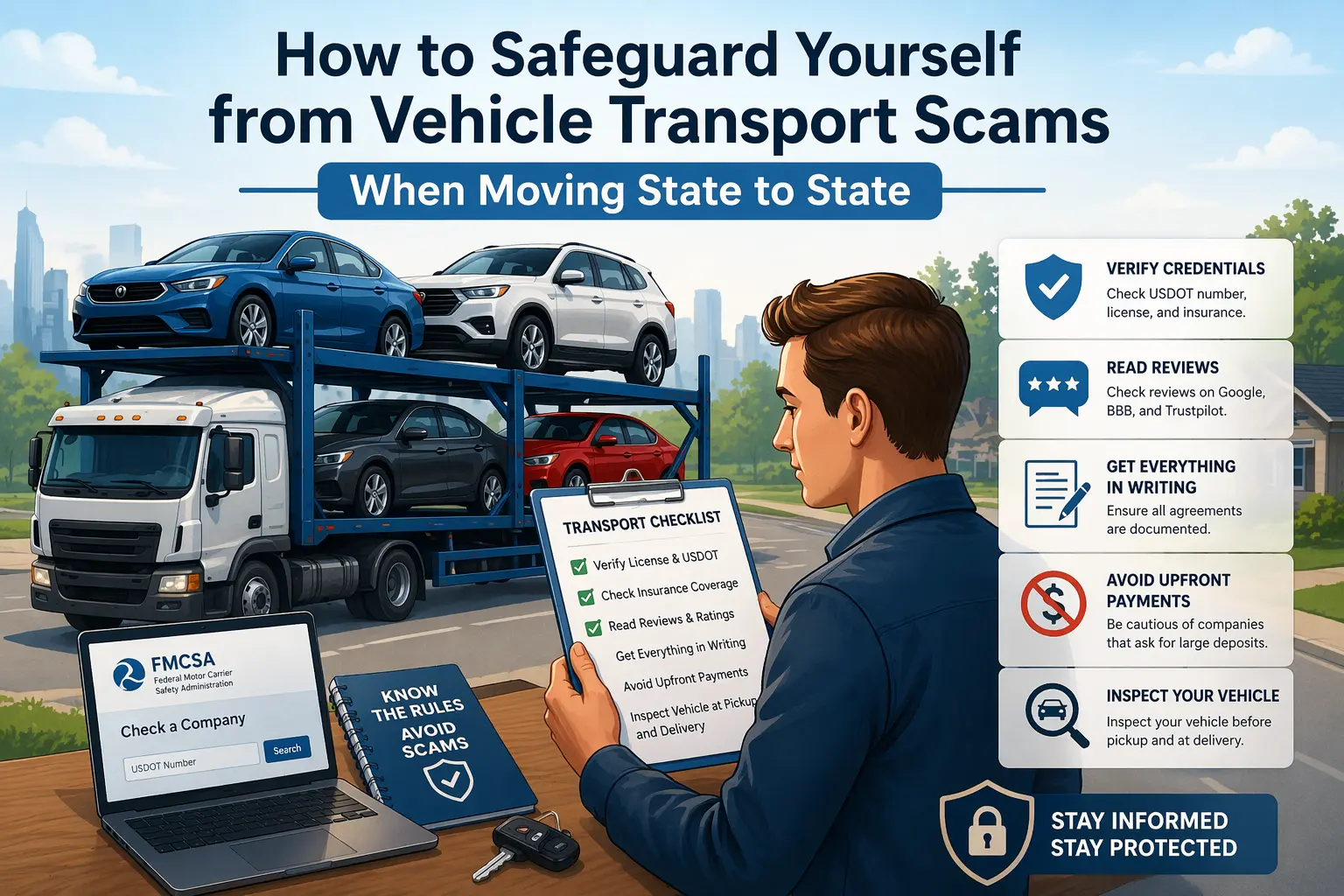
Gathering and comparing quotes for state-to-state car transport is critical to ensuring that you secure the best deal possible. Start by seeking quotes from at least three to five different car shipping companies. A diverse range of quotes not only gives you a better perspective on market rates but also helps you spot red flags or costs that seem unusually high. Utilize online tools and platforms designed for quick comparisons, which can streamline this process significantly.
When you request a quote, be sure to ask specific questions that clarify the details of the shipping process. Inquire about the method of transport they use (enclosed vs. open transport), insurance coverage, expected delivery timeframes, and any additional fees that could apply. It’s essential to have a clear understanding of these factors as they can influence the overall cost.
Additionally, reading customer reviews and checking the reputation of the carriers you consider is vital to making an informed choice. Websites like the Better Business Bureau (BBB) and specialized car shipping review platforms can provide insights into the reliability and experience of the companies you are evaluating. Pay particular attention to common themes in client feedback regarding timeliness, vehicle condition upon delivery, and customer service.
By systematically gathering and comparing quotes while utilizing available resources and conducting thorough background checks, you can enhance your chance of getting a competitive rate. This process lays the foundation for informed decision-making, setting the stage for potential discounts and the best prices that will be discussed in the following section.
Tips for Getting Discounts and Best Prices
To secure the cheapest quote for moving your car state to state, implementing strategic tactics can make a significant difference. Here are several actionable tips to help you land the best deals.
Timing is crucial. Shipping rates fluctuate based on demand. Consider scheduling your move during the off-peak seasons, typically late fall and winter, to benefit from lower prices. Transportation companies often have fewer shipments during these times, which could result in better offers.
Take advantage of seasonal promotions. Many car shipping companies offer discounts or special rates throughout the year. Whether it’s holiday discounts or summer sales, keep an eye out for these opportunities by subscribing to newsletters or following shipping companies on social media.
Joining membership programs can also lead to savings. Some organizations or automotive affiliations provide discounts to their members, so researching memberships that offer vehicle transport benefits may yield significant savings.
Another effective strategy is to refer friends. Many car shipping companies have referral programs, where referring a new customer could earn you discounts or credits towards your own shipping costs. Don’t hesitate to ask about referral benefits when you contact a carrier.
Moreover, when discussing your shipping needs with providers, always inquire about potential discounts. Whether it’s for military service, senior citizens, or multi-vehicle transport, most companies have some flexibility. Being open about your budget can prompt shipping representatives to offer you the best price or highlight active promotions. By employing these tips, you can confidently navigate the car shipping process while minimizing expenses, ensuring a smoother transition for your vehicle to its new location.
Preparing Your Car for Transport
To ensure a smooth and cost-effective vehicle transport experience, proper preparation of your car is crucial. This not only enhances the safety of the shipment but also helps avoid unnecessary fees that may arise from lack of compliance with guidelines set by transport services.
First and foremost, clean your vehicle thoroughly, both inside and out. A clean car allows inspectors to notice any pre-existing damages more easily. This step is often overlooked but can save you from unexpected repair costs during transit.
Next, document your car’s current condition. Take clear photographs from different angles, focusing on any scratches, dents, or particular features. This visual record will serve as evidence should any disputes arise regarding vehicle damage during transport, protecting you from being held responsible for issues that pre-date shipping.
Another essential step is to remove personal items from the car. Transport companies usually have policies against carrying personal belongings in the vehicle due to safety concerns and liability issues. Leaving these items behind also minimizes the risk of theft during transport and the clutter that can lead to potential damages to the vehicle itself.
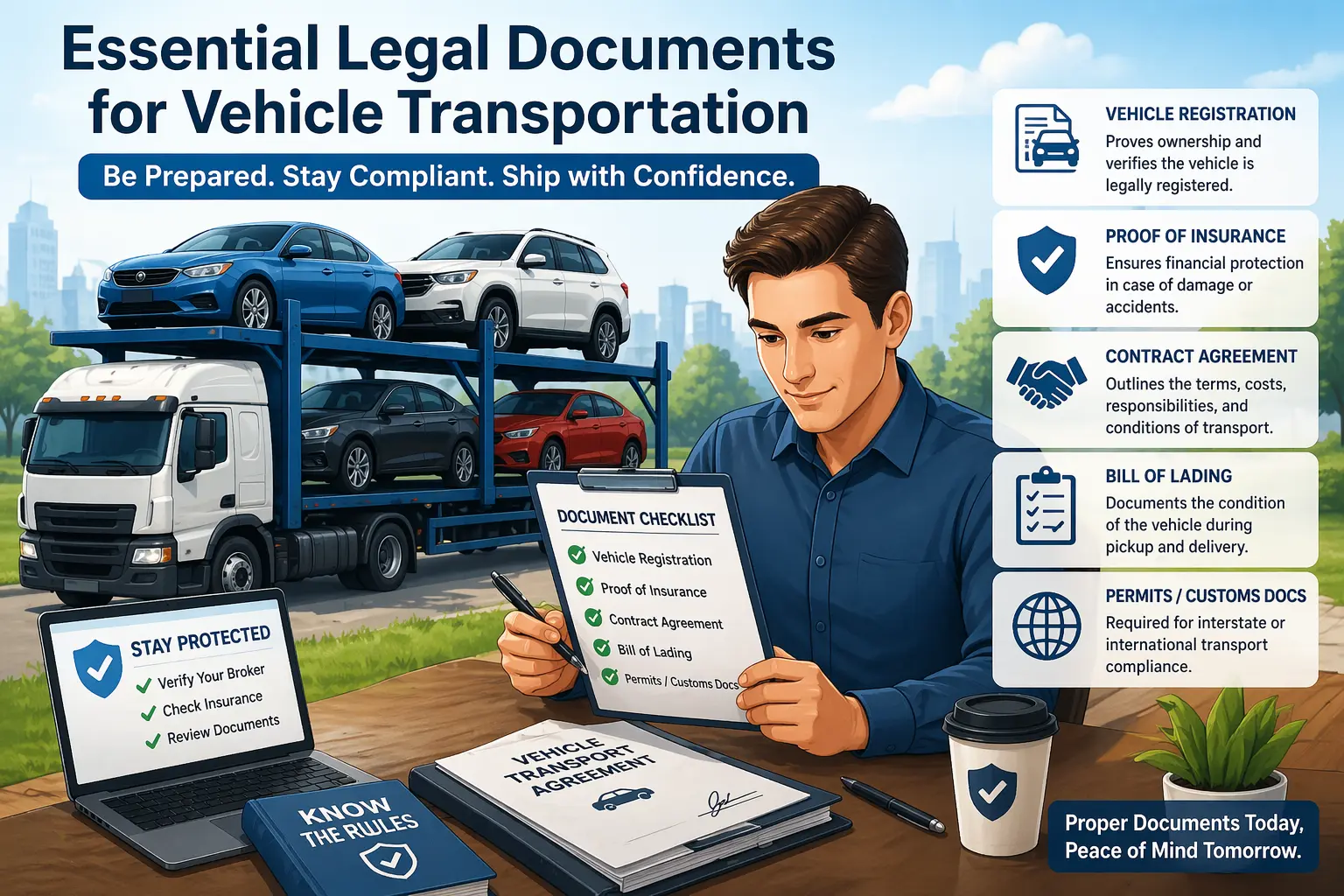
Finally, ensure that all relevant paperwork is in order. Check the vehicle registration, insurance details, and any specific transport requirements. Having these documents at hand not only smooths the shipping process but also prevents unexpected delays or additional charges associated with missing paperwork.
By taking these preparatory steps, you not only protect your investment but also potentially lower costs, setting the stage for a seamless transportation experience.
Conclusions
In summary, obtaining the cheapest quote for moving a car state to state involves thorough research, understanding pricing factors, and leveraging available resources. By following the strategies outlined in this guide, you can confidently choose a reliable and cost-effective solution for your vehicle transport needs.