Vehicle transport scams can turn a stressful move into an expensive mistake. If you are moving a car state to state, it is important to know how to spot red flags, verify companies, and protect yourself before booking auto transport.
Understanding Vehicle Transportation Regulations
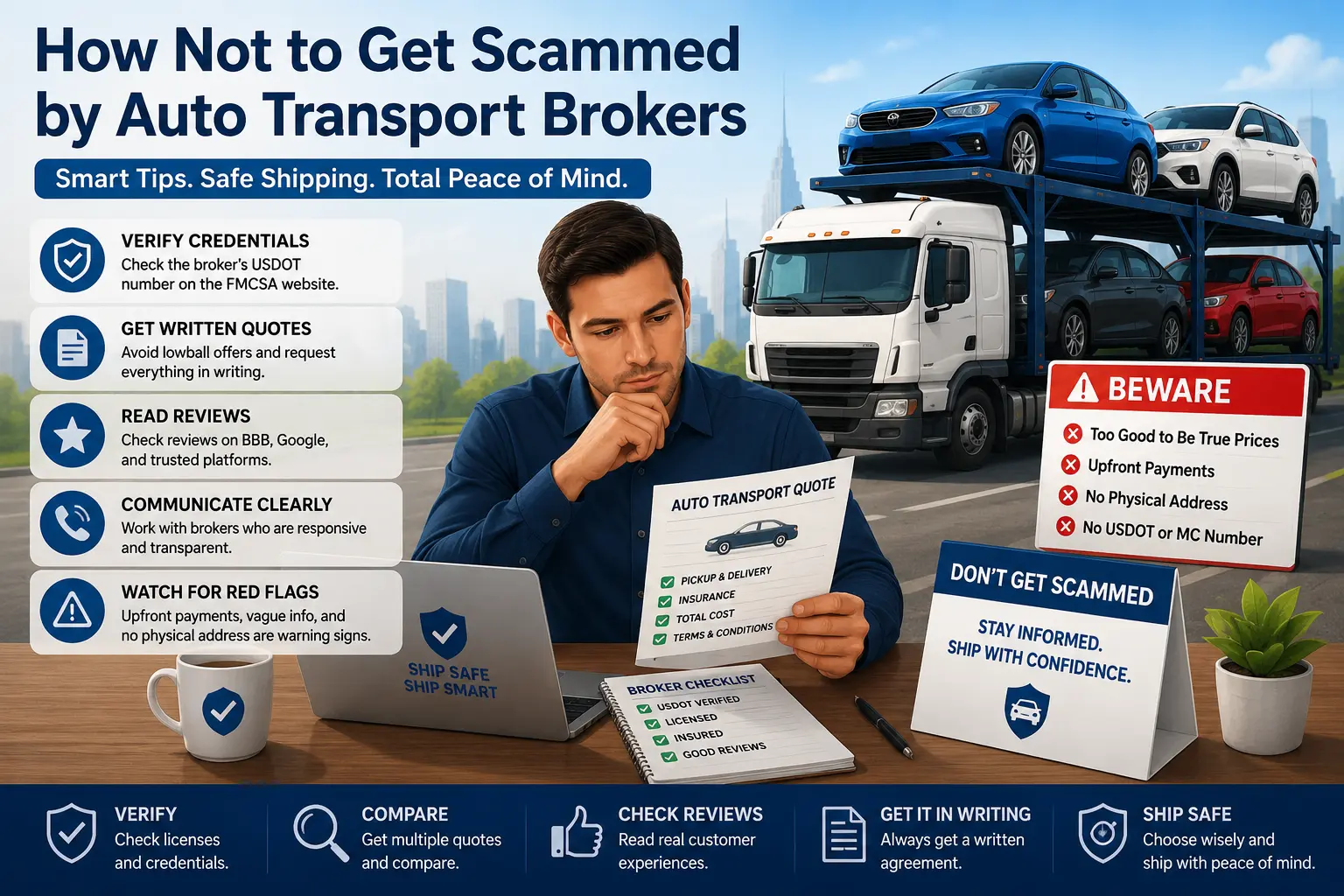
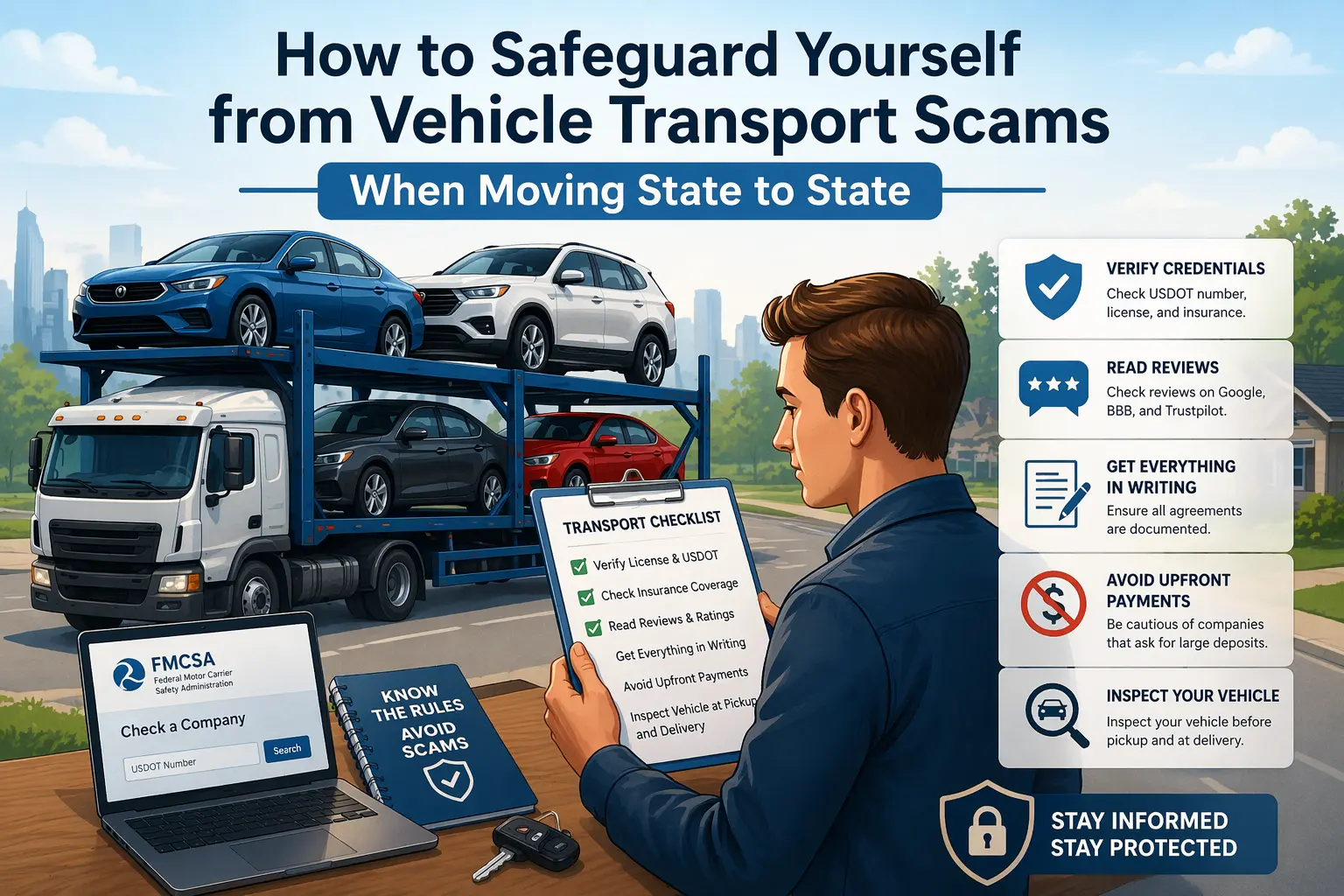
Understanding the laws and regulations governing vehicle transport across state lines is crucial for safeguarding yourself from potential scams. The Federal Motor Carrier Safety Administration (FMCSA) plays a vital role in overseeing interstate movers, ensuring that they comply with the necessary safety standards and regulations. When selecting a transport company, ensure they are registered with the FMCSA, which can be verified through their USDOT number.
Additionally, it’s important to confirm that the vehicle transport company has valid licensing and adequate insurance coverage. This not only protects you in case of accidents or theft but also verifies that the company is operating legitimately. To check for licensing, visit the FMCSA’s website where you can access the National Motor Carrier Safety Administration’s database.
Understanding the basics of vehicle transport regulations will empower you to make informed decisions and choose a reputable mover. Be diligent in verifying credentials and do not hesitate to ask for proof of insurance before finalizing any agreements. This careful preparation lays a strong foundation against falling victim to vehicle transport scams, allowing you a more secure moving experience.
Recognizing Common Vehicle Transport Scams
Vehicle transport scams can take many forms, and recognizing them is crucial for anyone moving a vehicle across state lines. One common tactic involves companies asking for **upfront fees** for transportation, only to disappear after receiving your payment. These fraudulent operators often have no intention of fulfilling the service, leaving you out of pocket and without transportation.
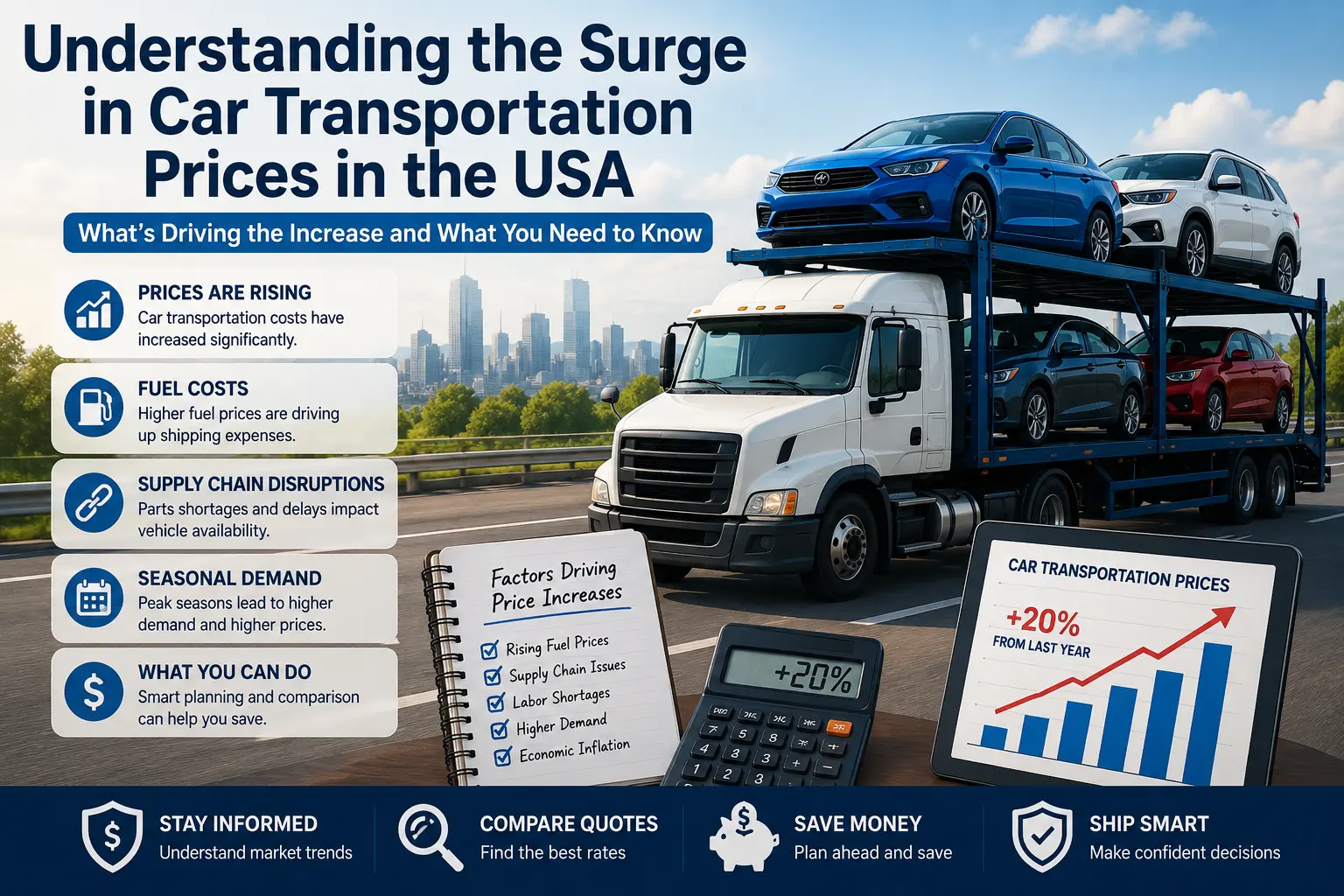
A prevalent scenario involves enticing customers with **low estimates** that appear attractive initially. Once your vehicle is loaded, these scammers may “revise” the quote, often citing hidden fees or unexpected expenses, resulting in a significant surprise in the final bill. For example, a quoted price of $800 can quickly balloon to over $1,500 due to arbitrary charges that were never initially disclosed.
Historically, scams in the vehicle transport industry have evolved with technology. As more individuals seek online solutions, scammers exploit the anonymity of the internet, creating sophisticated yet fraudulent entities promising swift and economical transportation services. Understanding these tactics not only empowers you to avoid falling victim but also reinforces the importance of working only with verified and reputable companies to safeguard your vehicle and your finances.
How to Research Transport Companies Effectively
When preparing to move your vehicle across state lines, thorough research on transport companies can mean the difference between a seamless experience and falling victim to scams. Start by utilizing the FMCSA’s database to ensure that potential movers are licensed and insured. This site provides essential information, including the company’s USDOT number, which you can use to verify their authority and registration.
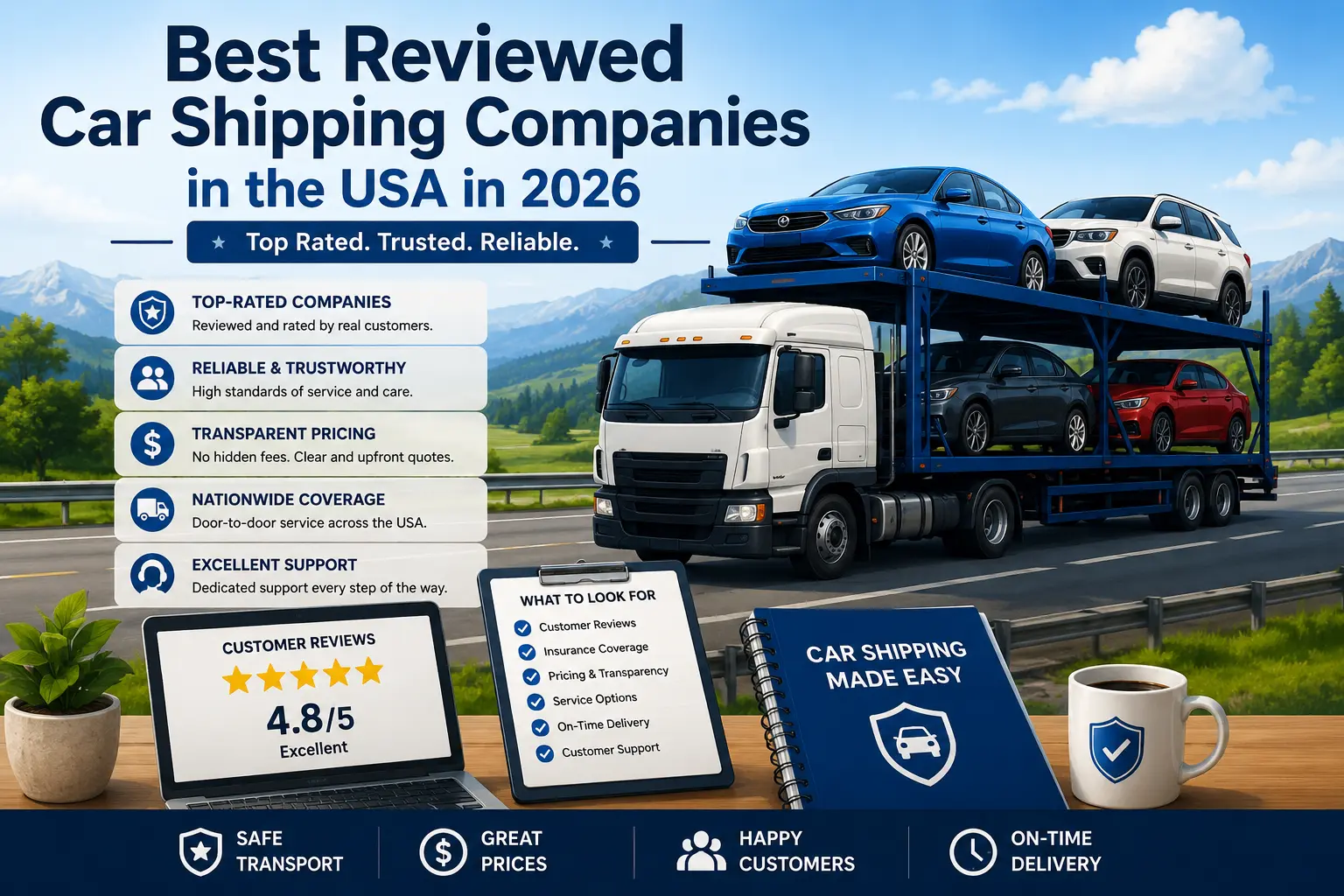
Customer reviews are invaluable for gauging the reliability of a transport company. Platforms like Google Reviews, Yelp, or specialized moving forums give insights into other customers’ experiences. Look for patterns in feedback, noting any recurring complaints, especially those related to delays, damage, or hidden fees.
Additionally, researching safety ratings through the FMCSA’s safety compliance page can highlight a company’s operational history. Companies with high safety ratings often handle vehicles more responsibly, making them a preferable choice.
Understanding how vehicle transport scams work can help you avoid hidden fees and fraudulent brokers.
Lastly, it’s wise to review any reports of fraud involving the companies you are considering. Sites like the Better Business Bureau can provide information on complaints and resolutions, giving you a more complete picture of the mover’s credibility. Following these steps can significantly reduce your risk of scams during vehicle transport.
The Importance of Getting Written Estimates
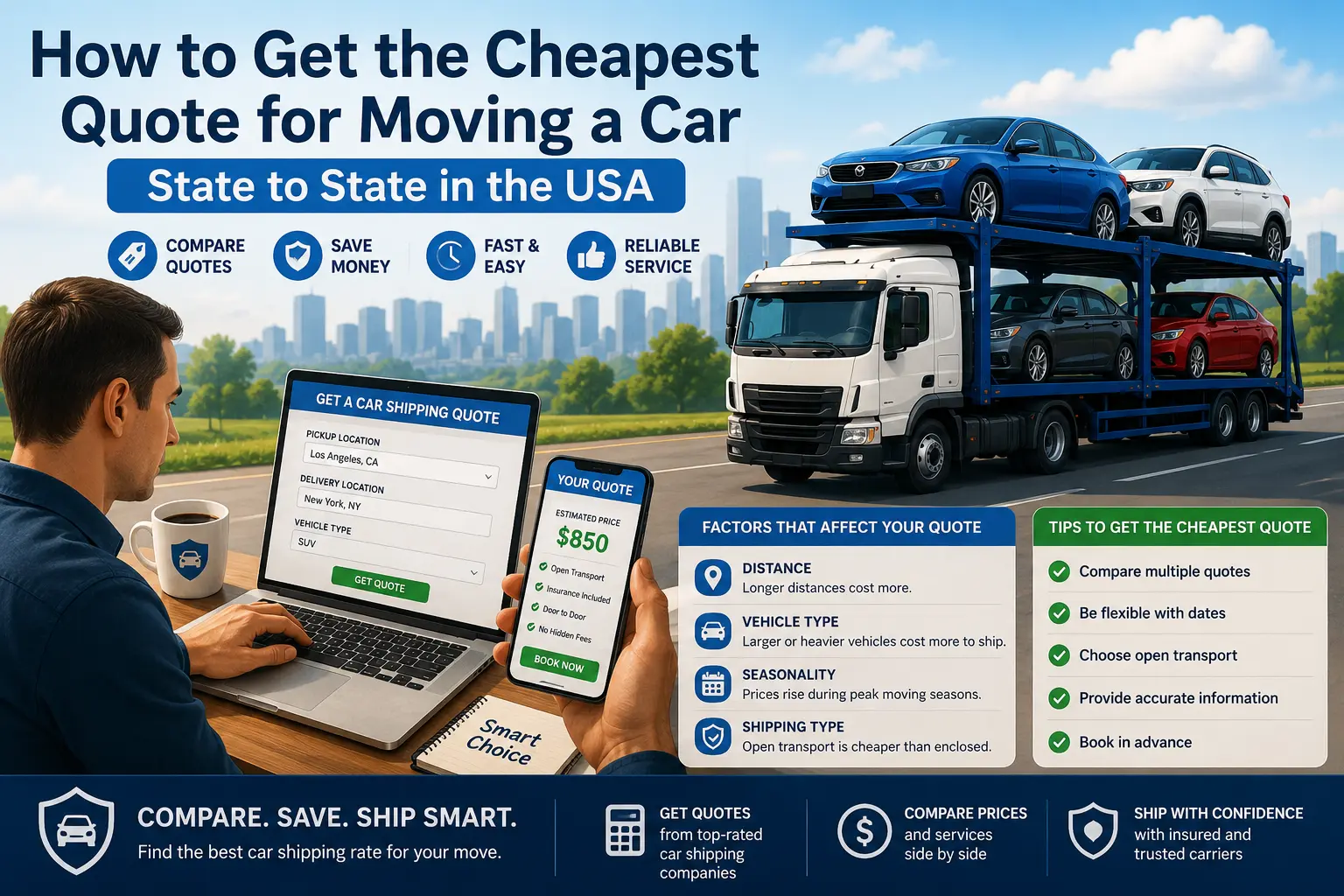
Obtaining written estimates is a critical step in protecting yourself from vehicle transport scams when moving state to state. When you receive a quote over the phone or online, it may seem enticing, but verbal agreements provide no legal protection if issues arise. Requiring written estimates ensures transparency and clarity regarding the costs involved in your vehicle transport.
When requesting estimates, reach out to multiple companies and ask for detailed quotes that outline all services included. Be specific about your vehicle, pickup and delivery locations, and any necessary services like enclosed transport or expedited shipping. This eliminates ambiguity and allows for accurate comparisons.
Understanding the difference between binding and non-binding quotes is crucial. A binding estimate guarantees that the price quoted will not change, as long as you adhere to the terms. Non-binding estimates, on the other hand, can fluctuate based on various factors when your vehicle is picked up. Thus, consider securing a binding estimate to avoid unexpected charges.
Many vehicle transport scams begin with low quotes that increase after the car is already scheduled.
Always ensure that all aspects, including pickup and delivery timelines, insurance coverage, and extra fees, are clearly detailed in writing. This safeguards against hidden costs and establishes a reliable reference should disputes arise. Remember, effective communication and thorough documentation are your best defenses against scams.
Finalizing Contracts with Transportation Companies
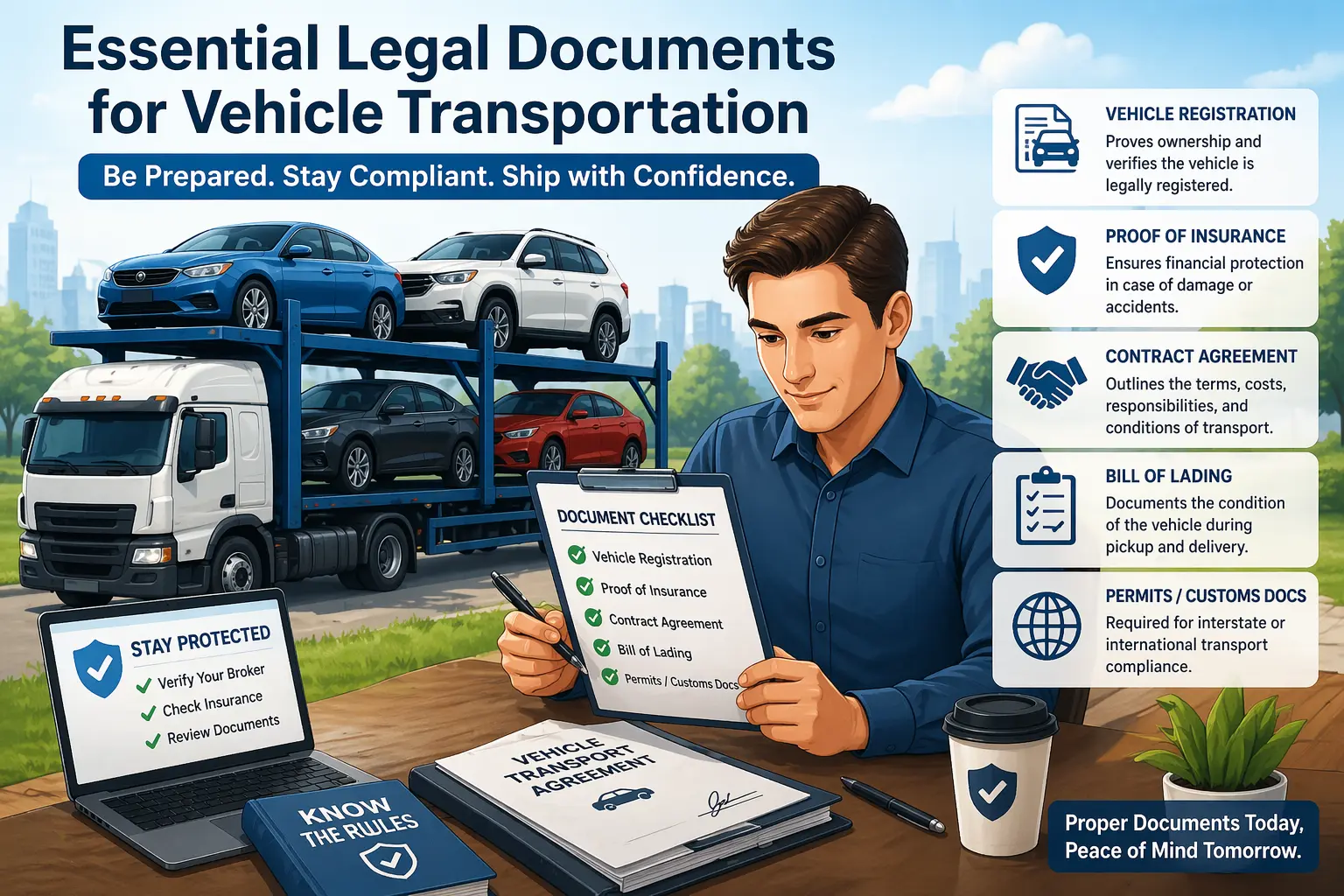
Finalizing a contract with a vehicle transportation company is a crucial step in safeguarding yourself against scams. A well-drafted contract is your best protection. It’s essential to ensure the contract includes specific elements such as delivery timelines, total costs, insurance coverage, and liability limits. Pay particular attention to the fine print; often, the hidden clauses can contain critical information that affects your rights.
Understanding the **liability limits** is paramount. Many companies will limit their liability based on the vehicle’s value, so inquire about the protection offered and consider purchasing additional insurance if necessary.
Moreover, both parties’ signatures should be clearly requested to finalize the agreement. Before signing, you should ask questions like:
– “What are the cancellation policies?”
– “How will you handle potential damage during transport?”
– “What happens if my vehicle is late?”
Asking these questions not only clarifies expectations but also reinforces your commitment to a safe and secure moving experience. By being diligent in reviewing and understanding your contract, you position yourself well against potential scams when relocating your vehicle across state lines.
Protecting Yourself During the Moving Process
To protect yourself during the vehicle moving process, proactive measures are essential. First, maintain direct communication with the driver or transportation company. Having a single point of contact allows you to ask questions, obtain updates, and report any concerns. Ensure you have their phone number and email for quick access.
Utilize any tracking options the transport company provides. Many reputable transport services offer real-time tracking, which enables you to follow your vehicle’s progress. If tracking isn’t available, ask for regular status updates. This vigilance not only gives you peace of mind but also helps identify any potential issues early on.
Understand your rights concerning delays or damage claims. Familiarize yourself with the terms outlined in your contract, particularly regarding liability limits for potential vehicle damage or loss. In cases of damage, document the vehicle’s condition through photographs before and after transport to support any claims.
Finally, maintain open lines of communication with the transport company throughout the process. Report any concerns immediately and stay aware of your surroundings, ensuring that you are always informed about your vehicle’s status. Remember, active engagement is your best defense against potential scams.
Conclusions
In conclusion, protecting yourself from vehicle transport scams requires vigilance and informed decision-making. By researching companies, understanding your rights, and using clear contracts, you can significantly reduce the risk of being scammed. Always trust your instincts and prioritize your safety to ensure a smooth vehicle moving experience.