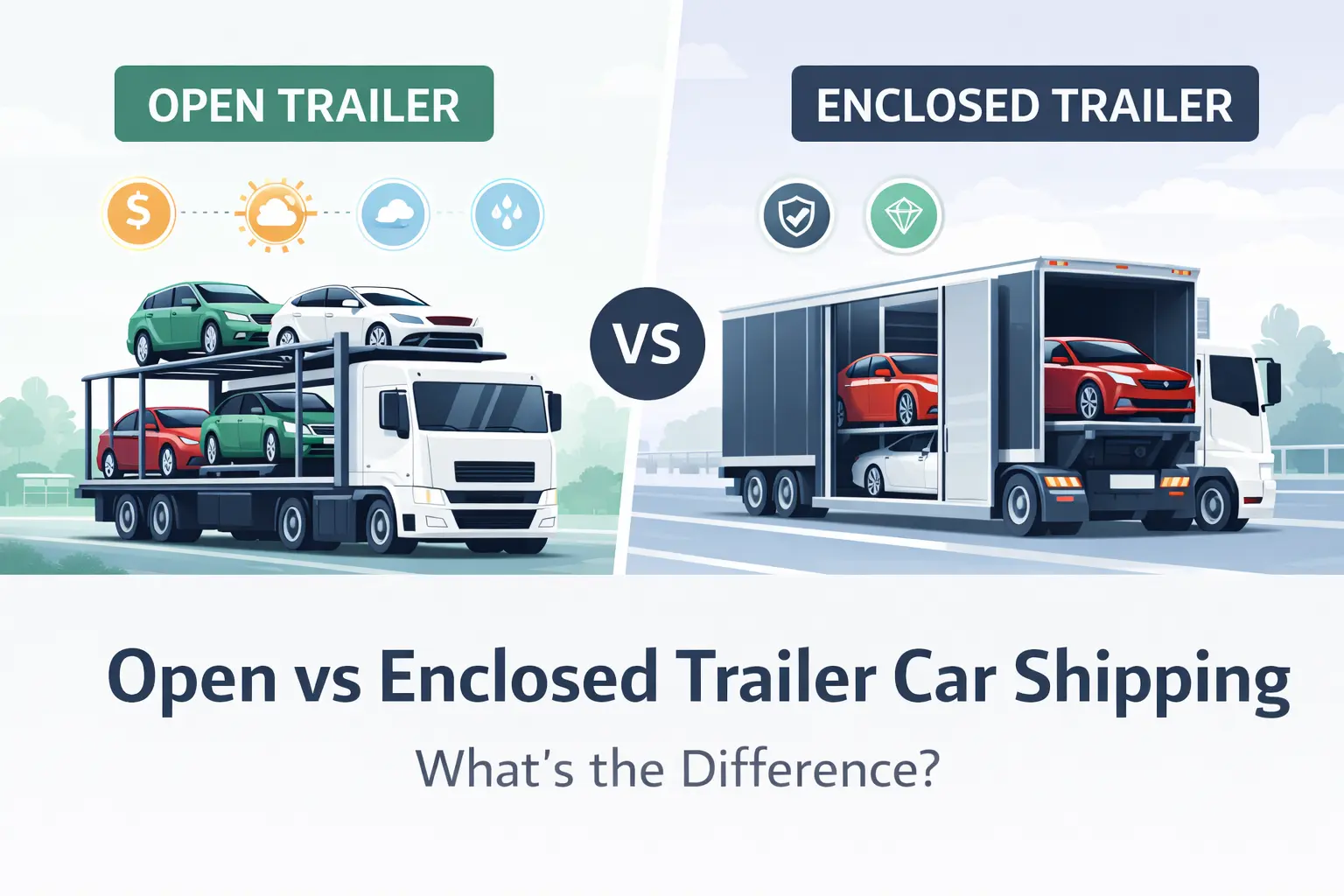
When it comes to car shipping, selecting the right shipping method is crucial for vehicle safety and cost-effectiveness. Open and enclosed trailers offer distinct advantages and disadvantages. This article delves into the differences between open and enclosed trailer car shipping, helping you make an informed decision based on your vehicle’s needs.
Understanding Trailer Types
Open and enclosed trailers are the two primary types of trailers used for car shipping, each designed to meet specific needs within the automotive transport industry.
Open trailers are characterized by their exposed design, typically featuring ramps and a series of interconnected platforms that can accommodate several vehicles at once. These trailers provide a high level of visibility, making it easy for carriers to monitor the vehicles being transported. Commonly used for standard cars, trucks, and motorcycles, open trailers are often employed for transporting large quantities of vehicles efficiently. Their open structure allows for quick loading and unloading, making them suitable for deliveries that require expedited timelines.
On the other hand, enclosed trailers offer a sealed environment that provides maximum protection from the elements. Constructed with solid walls and a roof, these trailers shield vehicles from rain, snow, dirt, and debris during transit. Ideal for high-value or classic cars, enclosed trailers cater to individuals who prioritize the safety and condition of their vehicles. They are commonly utilized for transporting luxury cars, vintage automobiles, and customized vehicles where protection is paramount. Understanding these trailer types allows clients to make informed decisions based on the specific requirements of their vehicle transport needs.
Advantages of Open Trailer Shipping
Open trailer shipping offers a range of advantages that make it a popular choice for many clients, especially when transporting standard vehicles. One of the most significant benefits is its cost-effectiveness. Open trailers can accommodate multiple vehicles simultaneously, allowing for shared transport costs among several owners. This communal approach reduces the price per vehicle, making it an attractive option for budget-conscious clients.
Another key factor is loading capacity. Open trailers typically allow for the transportation of anywhere from two to ten vehicles at once, which enhances operational efficiency. This is particularly beneficial for dealerships, car rental agencies, or individuals who need to move multiple vehicles quickly and affordably. The ease of loading and unloading further streamlines the shipping process; vehicles can be driven directly onto the trailer without the need for ramps or specialized equipment.
Additionally, open trailer shipping is particularly advantageous for standard vehicles, such as sedans, SUVs, and trucks. For clients whose vehicles are not high-end or rare, the exposure to environmental elements presents minimal risk. In fact, many standard cars are designed to withstand weather and road conditions, making open transport a practical and efficient choice.
Benefits of Enclosed Trailer Shipping
Enclosed trailer shipping offers distinct advantages that cater specifically to the needs of vehicle owners who prioritize protection and care. One of the primary benefits is **enhanced protection** from environmental elements such as rain, snow, dust, and UV rays. This safeguarding is crucial for maintaining the exterior and interior condition of a vehicle, particularly for high-value or luxury models that warrant meticulous upkeep.
Additionally, **theft prevention** is a significant concern when transporting vehicles. Enclosed trailers provide a secure environment, minimizing the risk of theft, vandalism, or damage during transit, which is paramount for expensive or rare automobiles. The ability to lock and seal these trailers adds another layer of security that open trailers simply cannot guarantee.
For vintage and classic cars, the importance of preserving originality cannot be overstated. The risk of paint chips, scratches, or other potential damage during transport is greatly reduced with enclosed shipping. Moreover, owners of such valuable automobiles often find that the peace of mind provided by enclosed transport justifies the higher costs. Ultimately, while the expense may be greater, the assurance of complete vehicle protection makes enclosed trailer shipping a preferred choice for discerning car owners who prioritize safety and care.
Cost Comparisons and Considerations
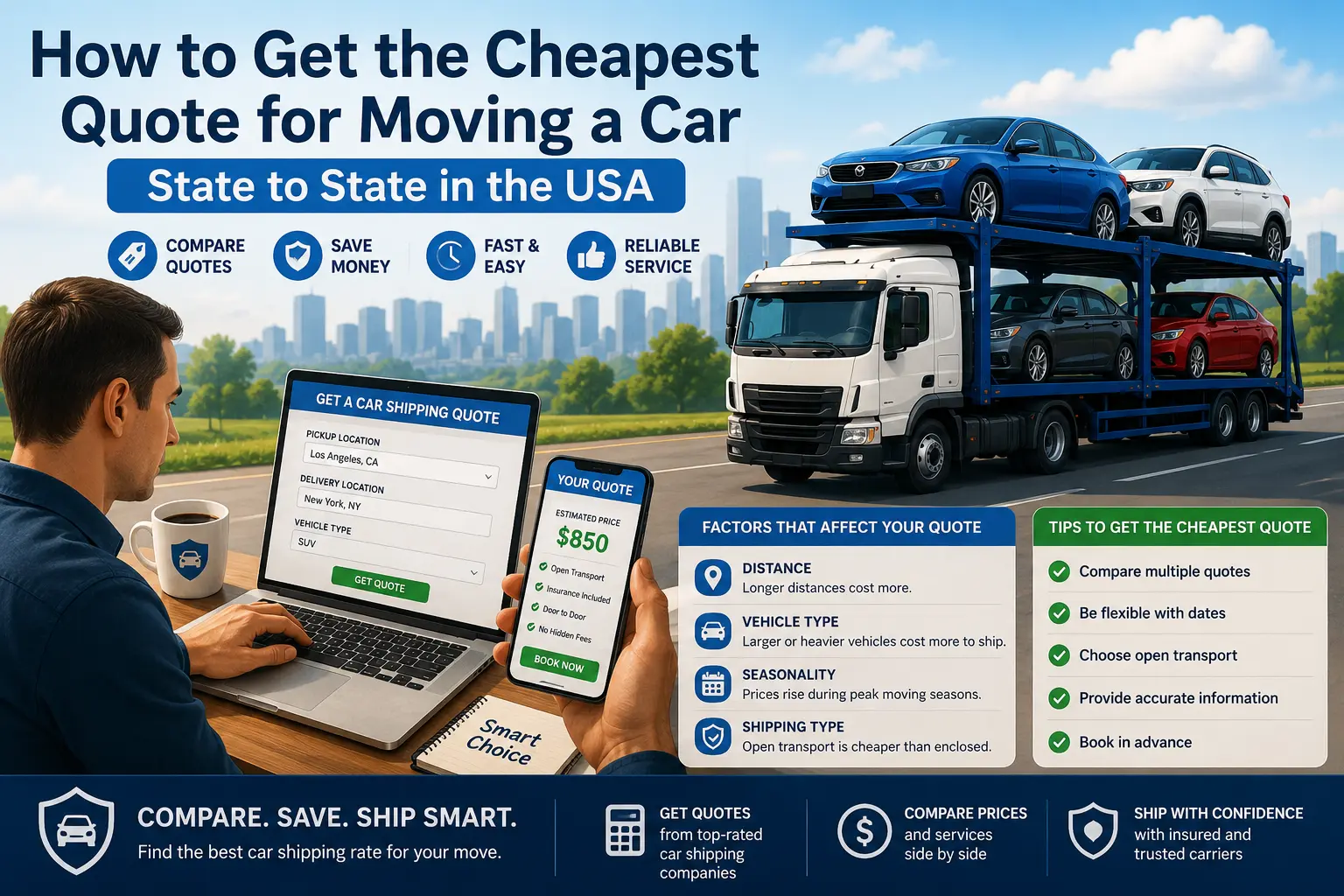
When considering the costs associated with open versus enclosed trailer car shipping, it’s essential to understand the key differences. Generally, open trailer shipping is more economical, with prices typically ranging from **$500 to $1,500** depending on distance and vehicle type. This open transport option, while cost-effective, may expose vehicles to the elements and risks of damage.
Enclosed trailer shipping, catering to vehicles needing extra care, usually costs **$1,000 to $2,000** or more. Factors influencing this price include shipping distance, vehicle type, and seasonal demand. For instance, transporting a luxury or vintage car across the country during peak season may significantly increase costs compared to a standard vehicle shipment in off-peak times.
Customers should weigh the price against peace of mind, especially when it comes to high-value vehicles. The added protection of an enclosed trailer can prevent costly damages, providing reassurance that a prized possession is safeguarded throughout its journey. In contrast, while open trailers are budget-friendly, owners must assess the risks involved with exposing their vehicles to potential dents, scratches, and weather-related issues that may not be covered by insurance.
Making the Right Choice for Your Vehicle
Making the right choice between open and enclosed trailer car shipping requires careful consideration of several factors. First, assess the type of vehicle you need to transport. Luxury, exotic, or classic cars warrant the additional protection of an enclosed trailer, while standard vehicles may suffice in an open setup.
Next, evaluate your budget. Open trailers are generally more affordable, making them suitable for budget-conscious customers. However, if you own a high-value vehicle, the peace of mind that comes with enclosed transport may justify the additional cost. Consider shipping distance as well; longer routes that expose your vehicle to various weather conditions might favor the enclosed option for enhanced safety.
Delivery timelines are also essential. Open trailers usually provide more availability, leading to faster shipping. When selecting a transport company, prioritize reputable firms with solid reviews. Look for licenses, insurance coverage, and customer references. Lastly, evaluate their experience with your vehicle type and request a detailed contract, ensuring transparency in pricing, service includes, and insurance policies. Taking these steps will help you make an informed decision that aligns with your specific needs.
Conclusions
In summary, both open and enclosed trailer shipping have unique benefits tailored to different needs. While open trailers offer cost efficiency and higher capacity, enclosed trailers provide exceptional protection for valuable vehicles. Assessing your requirements will enable you to select the right option for safe and secure car shipping.