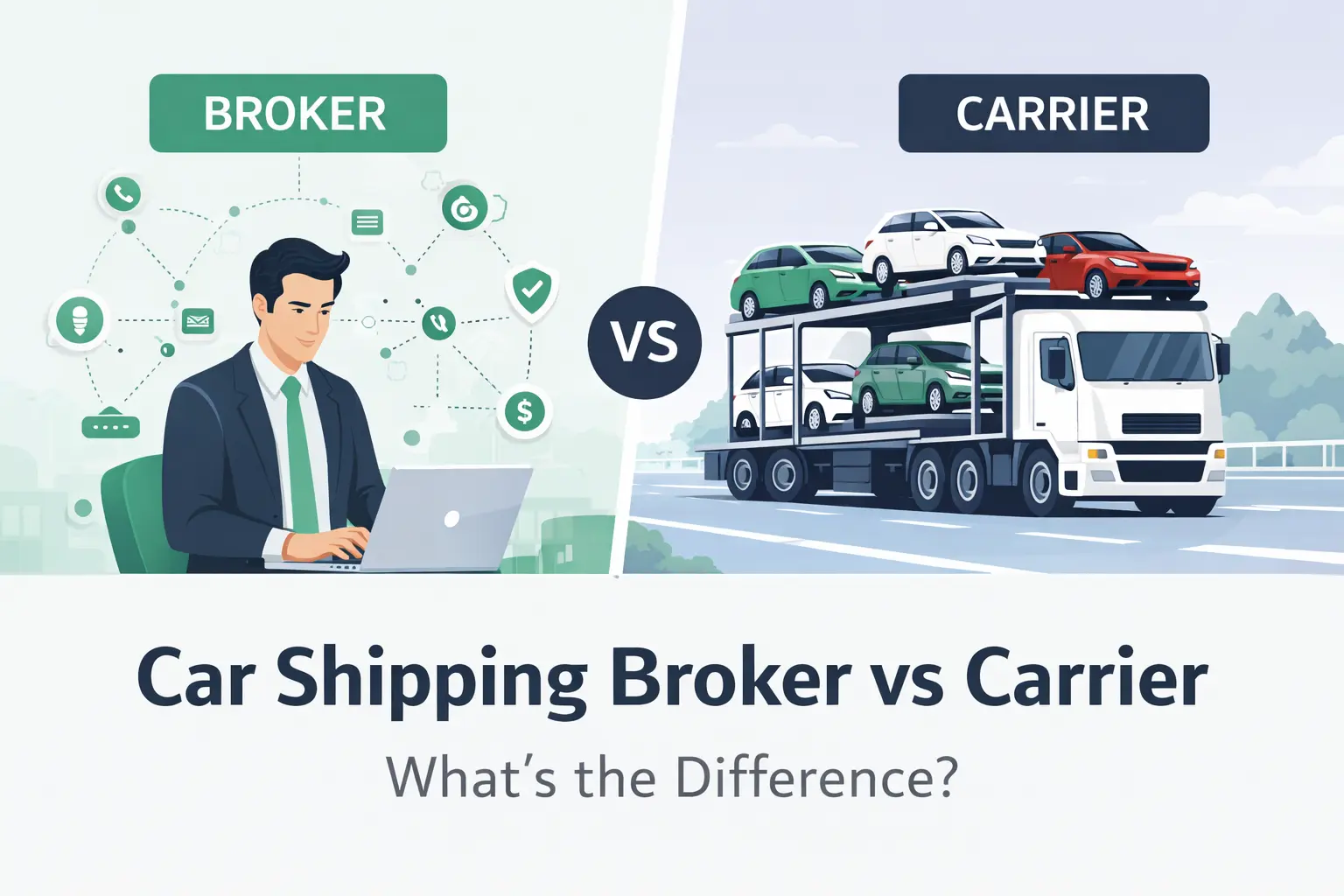
In the car shipping industry, distinguishing between brokers and carriers is crucial for understanding how vehicles are transported. This article delves into the unique roles each plays, their responsibilities, and how they work together to ensure a smooth shipping process for vehicles across various distances.
The Role of Auto Transport Brokers
Auto transport brokers serve as crucial intermediaries in the vehicle shipping process, connecting vehicle owners with the appropriate transport services. Their primary responsibility is to facilitate communication between the customer and the carriers, ensuring that each party’s needs are met efficiently. Brokers gather information from vehicle owners regarding their shipping requirements—such as the type of vehicle, pickup and delivery locations, and desired timelines. They then utilize their extensive networks to find a suitable carrier that can fulfill these requests.
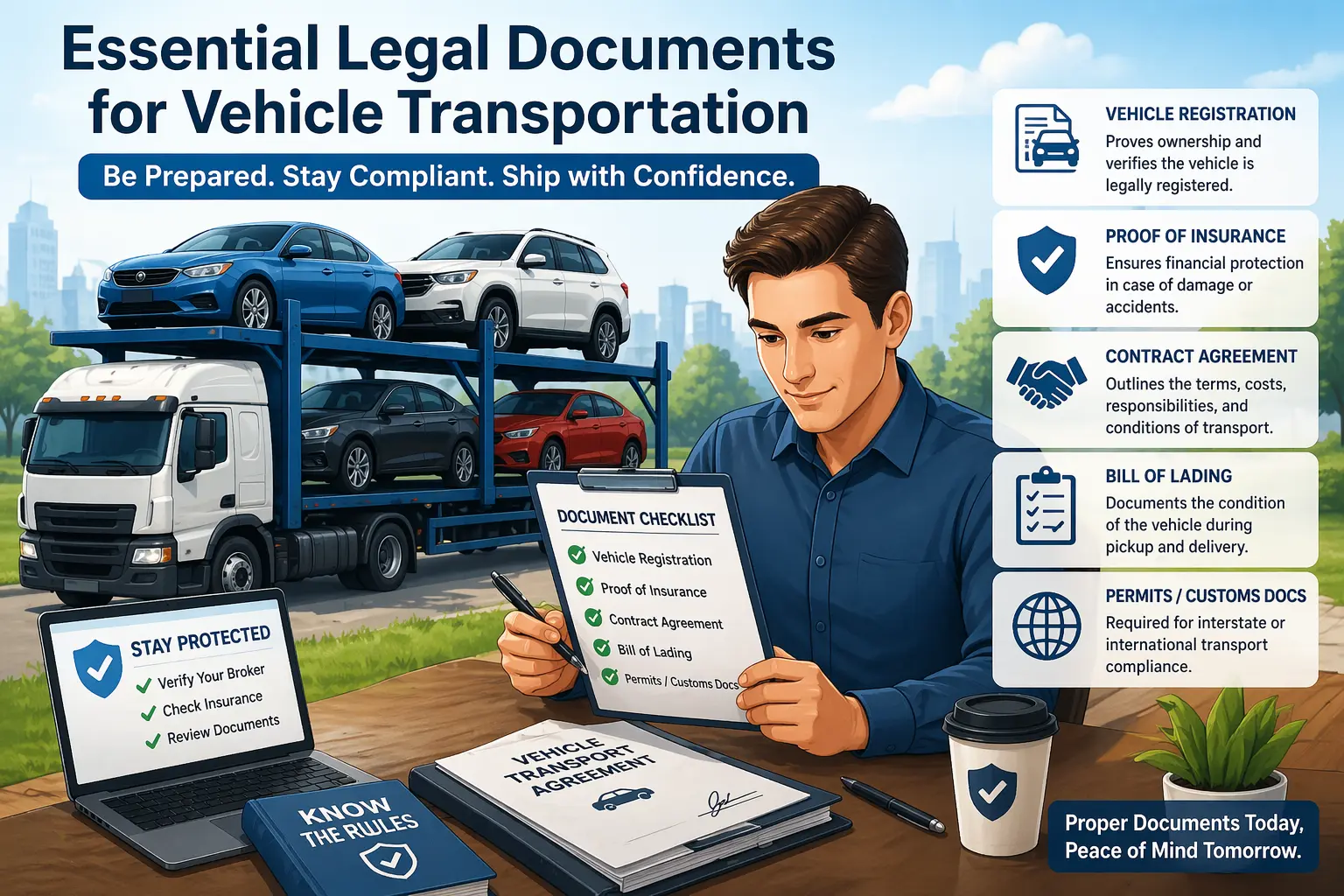
One of the critical functions of brokers is their adherence to licensing and regulatory requirements, which ensure a level of professionalism and accountability in the industry. Licensed brokers are required to operate under the guidelines set forth by the Federal Motor Carrier Safety Administration (FMCSA), which includes maintaining a surety bond to protect consumers.
Brokers also leverage freight load boards, digital platforms where carriers post available transportation services and brokers list available loads. These boards enable brokers to quickly match shipments with suitable carriers, streamlining the process and improving efficiency in car shipping. By acting as the glue between vehicle owners and transport services, auto transport brokers play a vital role in the industry’s operational dynamics.
Understanding Auto Transport Carriers
Auto transport carriers play a crucial role in the car shipping industry, as they are responsible for the actual movement of vehicles from one destination to another. Typically, there are two main types of carriers: open transport and enclosed transport. Open transport is the more common method, where vehicles are loaded onto a flatbed truck with other vehicles, allowing for efficient and cost-effective shipping. In contrast, enclosed transport features covered trucks that protect vehicles from environmental factors, making it ideal for luxury, classic, or high-value cars.
Carriers utilize specialized equipment such as car haulers, which can accommodate multiple vehicles at once, enhancing operational efficiency. In addition to their equipment, carriers must adhere to strict requirements, including obtaining the necessary licensing through the Federal Motor Carrier Safety Administration (FMCSA). This licensing ensures that carriers comply with federal regulations and safety standards.
Insurance is another critical requirement for carriers, safeguarding against potential damages during transport. Comprehensive insurance coverage not only protects the vehicle owner but also demonstrates the carrier’s commitment to safe practices. Together, licensing and insurance provide peace of mind for clients, reinforcing the reliability of auto transport carriers in the vehicle shipping process.
The Process of Shipping a Vehicle
Shipping a vehicle typically begins with a shipper reaching out to a broker, often through an online platform or a phone call, to get a quote based on their specific needs. The broker collects essential information, including the vehicle type, pick-up and drop-off locations, and desired transport dates. After this, they evaluate available carriers, considering reliability, reputation, and capacity to handle the shipment.
Once the broker identifies suitable carriers, they assign the job to one, ensuring that the transportation logistics align with the shipper’s schedule. Coordination is crucial here, as the broker acts as the intermediary, maintaining communication with both the carrier and the shipper throughout the process.
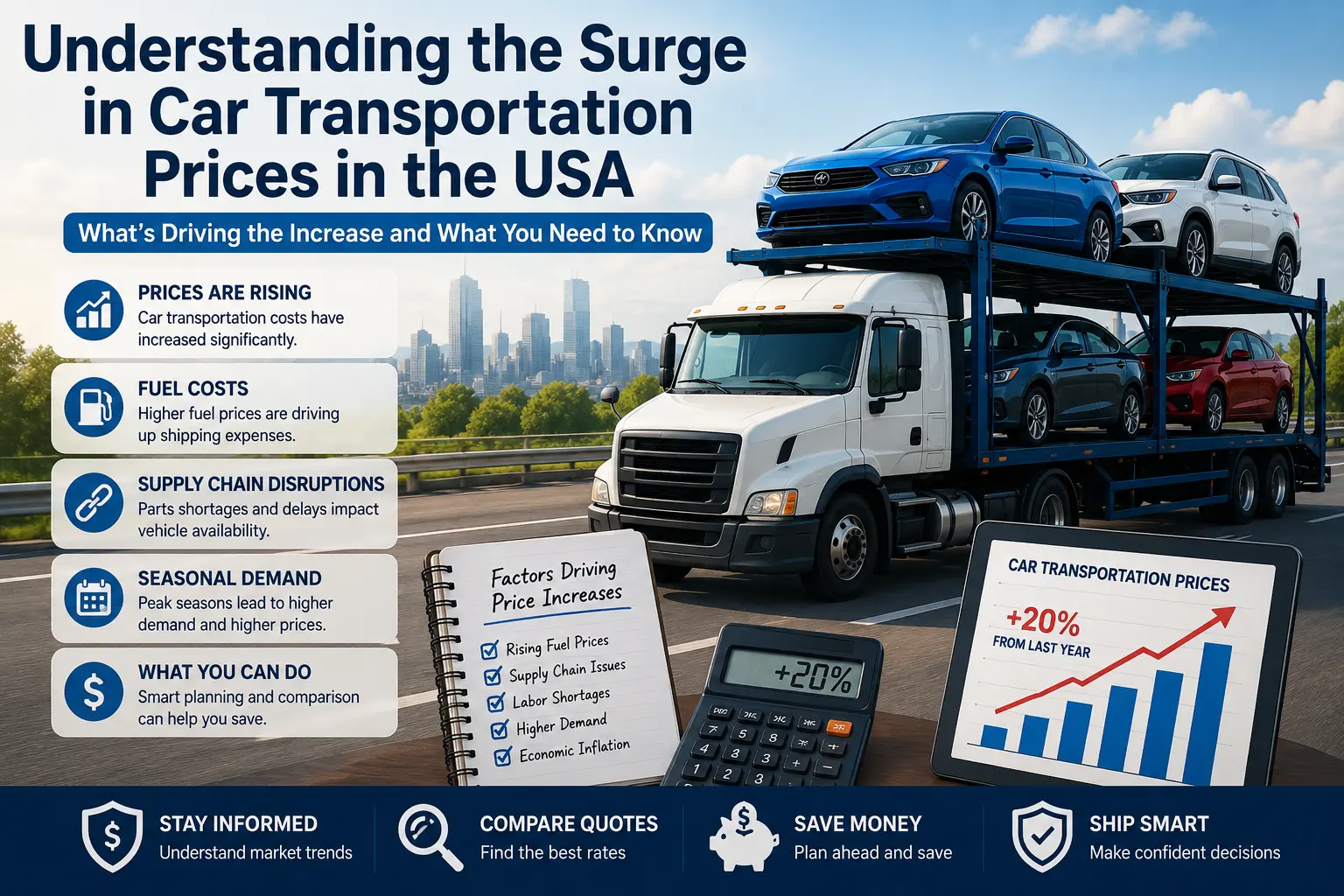
Several factors influence shipping costs, including distance, vehicle size, and chosen transport type (open or enclosed), along with seasonal demand fluctuations. Transit times also vary significantly, particularly with open transport options that may involve multiple stops. Understanding these dynamics can aid shippers in effectively navigating the vehicle shipping landscape, leveraging the broker’s expertise for a smoother transport experience.
Comparing Brokers and Carriers: Key Differences
In the car shipping industry, understanding the nuances between brokers and carriers is essential for anyone seeking to transport a vehicle. **Brokers** act as intermediaries, connecting shippers with an array of carriers. Their primary responsibility is to facilitate communication, negotiate transport rates, and ensure that the vehicles are picked up and delivered in a timely manner. They generate revenue by charging a fee, often a percentage of the total transport cost, for their services.
Conversely, **carriers** are the actual transporters of the vehicles. They own the trucks and are responsible for the physical delivery of the vehicles. Their main responsibilities include loading, securing, and ensuring safe transport. Unlike brokers, carriers earn revenue directly from transporting vehicles, based on contract agreements with shippers or brokers.
Both entities interact with shippers but from different angles; brokers provide options and manage logistics, while carriers focus on physical transport. Interestingly, some companies straddle both roles, acting as brokers and carriers simultaneously, allowing them to offer more comprehensive solutions. However, this duality can sometimes lead to conflicts of interest, making it crucial for shippers to understand whom they’re engaging with in the vehicle shipping process.
Choosing the Right Service for Your Needs
Choosing the right service for your car shipping needs is pivotal in ensuring a seamless transport experience. When considering whether to employ an auto transport broker or a carrier, it’s essential to weigh the benefits and drawbacks of each option.
Brokers often have widespread networks, allowing them to connect you with multiple carriers, increasing chances of getting your vehicle transported quickly and at competitive rates. However, they may charge service fees that can add to the overall cost. On the other hand, carriers own and operate their trucks, providing you direct control over shipping but possibly limiting options and flexibility.
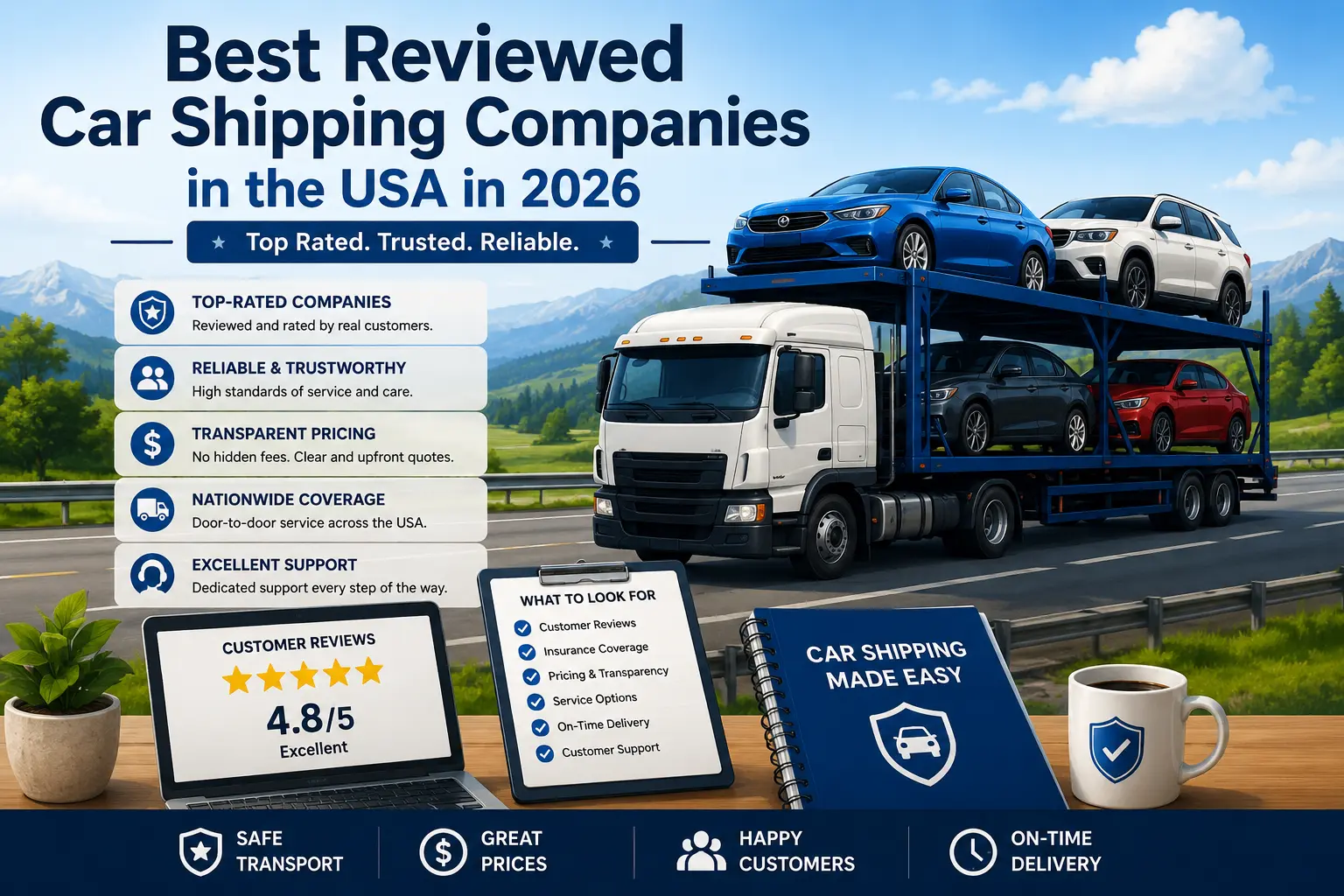
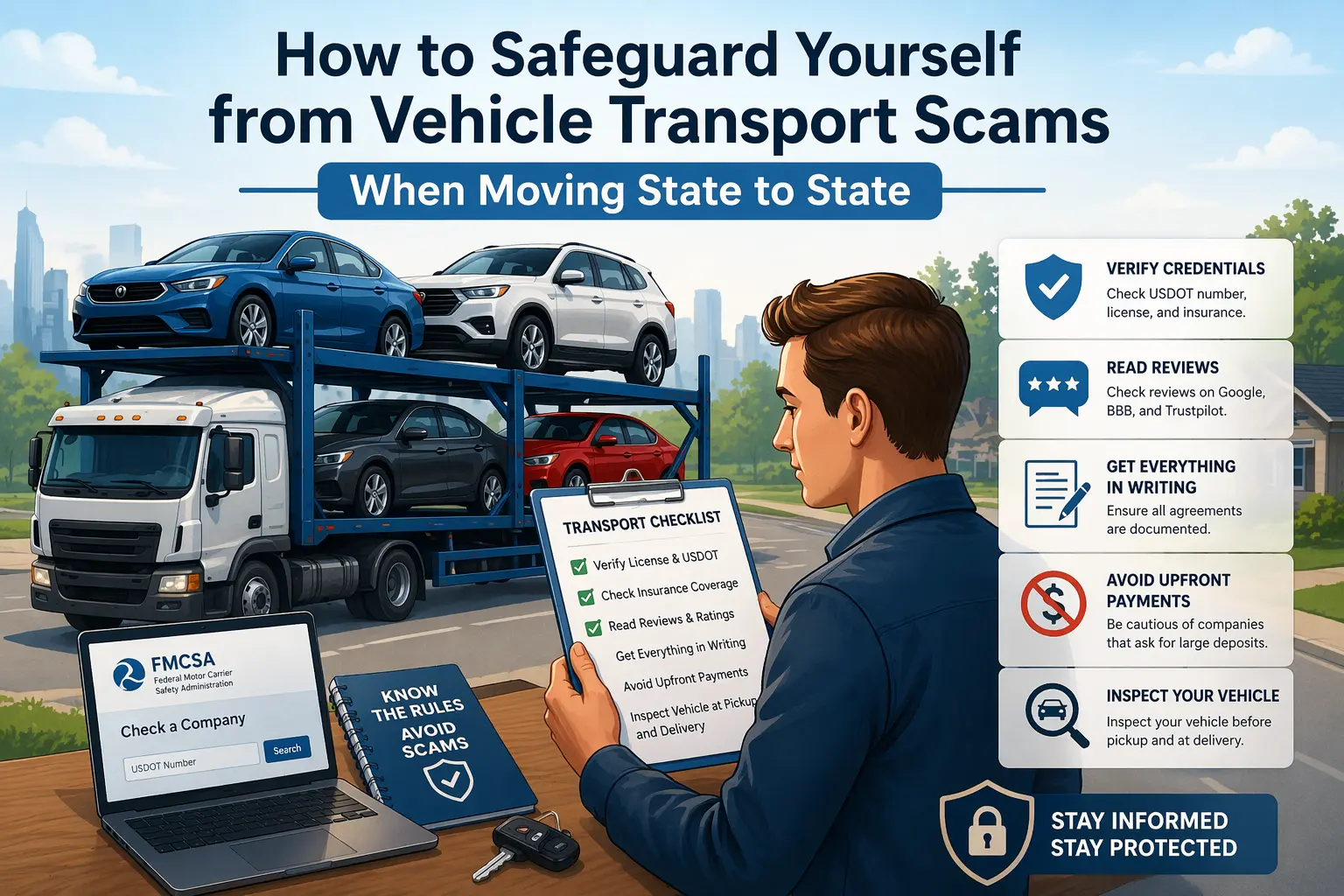
When selecting a service, ask crucial questions such as: What insurance coverage do you offer? How do you handle disputes? What is the estimated timeframe for transport? Additionally, it’s imperative to check reviews and client testimonials to gauge reliability and customer service quality. Verifying credentials, such as DOT and MC numbers for brokers and carriers, will further assure you of their legitimacy and operational standards.
By thoroughly researching and considering these factors, you can make a more informed choice that aligns with your specific transport needs.
Conclusions
In conclusion, both brokers and carriers play vital roles in the car shipping industry. While brokers facilitate the connection between shippers and carriers, carriers are responsible for the actual transport of vehicles. Understanding these roles helps consumers make informed choices when shipping their vehicles, ensuring their cars are in safe hands throughout the journey.